Author: admin_keUhgTUYTG

  • Benefits of Integrating AI in Managing Electronics Accessories Inventory

    Benefits of Integrating AI in Managing Electronics Accessories Inventory

    Advantages of Using AI in Managing Electronics Accessories Inventory

    In a fast-paced digital world, thriving in the electronics accessories market requires more than just quality items. Retailers are leaning into technology—especially artificial intelligence (AI)—to enhance inventory management. This combination boosts operational efficiency and improves customer satisfaction by ensuring popular accessories are available when shoppers need them. The challenge is intensified by short product life cycles, frequent model refreshes, and compatibility nuances—think phone cases that fit only certain devices or chargers that support specific power standards. Add in omnichannel selling, returns, and seasonal promotions, and manual planning struggles to keep pace. AI bridges that gap by turning raw data into timely, precise actions that help retailers meet demand without tying up cash in excess stock.

    Simplifying Inventory with AI

    AI-powered systems offer data-driven clarity, from accurate forecasting to real-time stock monitoring.Image of a modern storage facility with a variety of electronics accessories like headphones, chargers, and smart home gadgets, under professional lighting, illustrating real-time stock monitoring This ensures that in-demand items like headphones, chargers, and smart home gadgets stay available, reducing the risk of lost sales due to stock shortages. By unifying data from point-of-sale systems, e-commerce platforms, and warehouse tools, AI provides a single source of truth for inventory levels and movement. It can flag discrepancies between expected and actual counts, recommend store-to-store transfers, and balance stock across locations. Some solutions even incorporate signals from shelf sensors or RFID to detect gaps early, helping teams correct issues before customers notice.

    Improved Demand Forecasting

    A significant benefit of AI in managing electronics accessories is predicting trends.Visual representation of AI demand forecasting for electronics accessories, incorporating market trends and product lifecycle analyses By evaluating past sales and current market trends, AI can predict which products will be sought after. For instance, it can foresee a holiday-season spike in gaming accessories, enabling retailers to prepare their stock accordingly. Advanced models can also detect external drivers—such as a major smartphone launch, a popular influencer review, or a firmware update that changes cable or charger requirements. For new products with limited history, AI borrows patterns from similar items, generating more reliable “first-order” forecasts that get refined as real sales data arrives.

    Practical Predictions

    AI inventory systems quickly adjust as trends and customer preferences change.Dynamic depiction of an AI system reallocating electronics stock between stores, in a bright and professional setting If they notice an increase in the popularity of wireless earbuds, they can trigger timely restocks before shortages happen. This proactive method helps maintain sales momentum and keeps customers happy. Beyond reordering, AI can recommend dynamic reallocations—moving stock from slow locations to fast ones, or shifting online inventory to support buy-online-pickup-in-store. It also highlights exceptions, such as sudden demand spikes or late deliveries, so teams act on the few things that matter most. Retailers can set service-level targets and let AI balance risk and availability automatically.

    Minimizing Overstock and Waste

    AI helps avoid overstocking, which raises storage costs and leaves items unsold.Illustration of efficient warehouse operations minimizing overstock and waste, showing organized stacks of electronics in a clean, modern setting By utilizing detailed analytics to keep an optimal balance, it maintains electronics accessories inventory lean and efficient, supporting healthier profit margins. Lifecycle-aware planning anticipates when an accessory will slow down as a new device generation launches, prompting timely markdowns or bundling strategies. AI can suggest clearance timing and depth to recover margin without eroding brand value. It also reduces waste by highlighting packaging or specification changes that could strand older units, guiding conversions or targeted promotions before items become obsolete.

    Enhancing Supplier Management

    For electronics accessories retailers, effective supplier management is crucial.Detailed graphic of AI-enhanced supplier management system, highlighting performance data analytics and smart reordering decisions AI assesses supplier performance by monitoring delivery times, costs, and quality standards. Good oversight ensures products keep moving, minimizes delays, and maintains customer trust. Intelligent scorecards reveal patterns—such as a vendor whose lead times fluctuate during peak seasons—so buyers can negotiate, diversify sources, or adjust safety stocks. Risk indicators, including port congestion or regional disruptions, can be factored into plans, improving resilience. With clearer expectations and shared forecasts, suppliers gain visibility, and retailers gain reliability.

    Intelligent Reordering Systems

    With AI, reordering becomes effortless. Automated tools decide the best timing and amounts for restocking electronics accessories using real-time data and predictive insights. This reduces manual mistakes and supports more strategic purchasing choices. The system can honor constraints like minimum order quantities, case pack sizes, or freight thresholds while still aiming for target service levels. It also evaluates multi-location networks—distribution centers and stores—to place orders where they will have the greatest impact. Over time, AI learns which policies work best for each SKU, fine-tuning reorder points and frequencies to match actual demand patterns.

    AI for Customized Customer Experience

    Beyond backend tasks, AI enhances the customer-facing side of electronics accessories management.Imagery of an advanced AI-driven customer service interface offering personalized electronics accessory recommendations Personalized product suggestions and timely inventory updates make interactions more relevant, boosting engagement and creating a more customized shopping experience. When availability is dependable, recommendations can safely feature fast-moving items or complementary bundles—like pairing a power bank with a travel adapter or a console case with screen protectors. Back-in-stock alerts, curbside pickup promises, and accurate delivery dates all rely on strong inventory intelligence. AI-driven compatibility guides also reduce returns by helping shoppers choose accessories that work with their specific devices.

    Implementing AI Systems Smoothly

    Adding AI to existing inventory setups doesn’t have to be challenging.Visualization of the seamless integration process of AI systems into existing inventory setups, depicting collaborative team efforts and digital interfaces Many solutions offer flexible integrations, allowing retailers to start small and expand as they see results. Investing in AI for electronics accessories management is a strategic choice that supports long-term benefits and sustainability. Successful implementations focus on clean data, clear goals, and change management: teams need training, dashboards should be intuitive, and KPIs must be defined up front. Retailers often begin with a pilot across a subset of stores or SKUs, measure impact on stockouts and carrying costs, then scale as confidence grows.

    Starting with AI

    Retailers thinking about AI should begin by identifying where automation and analytics can provide the most value. Collaborating with AI vendors experienced in the electronics field helps tailor solutions to specific business needs and objectives. A practical starting plan includes auditing data sources, selecting a focused use case—such as improving charger availability—setting baselines like fill rate and inventory turns, and running a time-bound proof of concept. Involve merchandising, operations, and IT early to align systems and processes. Document lessons learned and build a roadmap that adds capabilities in manageable phases.

    Conclusion

    As the electronics accessories market progresses, using AI for inventory management is becoming a key advantage for modern retailers.Inspirational depiction of modern electronics retail space leveraging AI for superior inventory management, demonstrating streamlined operations By leveraging AI for demand forecasting, supplier management, and customer personalization, businesses simplify operations and enhance overall competitiveness. The result is a nimbler supply chain that adapts to product refreshes, promotions, and evolving customer preferences without sacrificing margin. With better visibility and smarter automation, teams can spend less time firefighting and more time curating assortments that delight shoppers. Now is the time to adopt AI and rethink how electronics accessories inventory is managed for future success.

    Ready to revolutionize your inventory management with AI? Discover innovative AI solutions tailored for the electronics accessories industry today! Begin with a focused pilot, measure the results, and scale confidently to unlock higher availability, lower costs, and a consistently superior customer experience.

  • Understanding the Role of User-Generated Content in Boosting Sales for Electronics Accessories

    Understanding the Role of User-Generated Content in Boosting Sales for Electronics Accessories

    Understanding the Role of User-Generated Content in Boosting Sales for Electronics Accessories

    In today’s digital marketplaces, user-generated content (UGC)—reviews, photos, and shared experiences—shapes how people evaluate products, especially in electronics accessories. Advertising and influencers help with reach, but customer voices deliver credibility. This article explains why UGC matters, which types drive decisions, and how to apply them to lift sales. For chargers, cases, earbuds, cables, and mounts—where small differences in quality or compatibility determine satisfaction—UGC reduces uncertainty by showing real-world performance. It turns product pages and social feeds into living references where buyers weigh trade-offs and choose with confidence.

    Why User-Generated Content Matters in Electronics

    Amid endless options, shoppers look for trust signals. UGC provides them by revealing performance and value in everyday use. Because it notes strengths and weaknesses, it offers transparency advertising rarely matches. In feature-parity categories, a few credible accounts of heat management, battery life, or cable durability can decide a sale. UGC also closes expectation gaps: buyers see a matte finish in normal lighting, whether a case adds bulk, or how a magnetic mount handles potholes—details spec sheets omit but buyers care about.

    UGC also builds community. Seeing peers use and recommend a product strengthens trust and fosters belonging. Newcomers ask questions, veteran users share setup tips, and brands gain a two-way channel that surfaces improvement ideas. Balanced or critical posts help by signaling openness to feedback. When customers feel heard—via a thoughtful reply to a three-star review or a reposted cable-management hack—they’re more likely to return, recommend the brand, and contribute again.

    Types of User-Generated Content Influencing Buyer Decisions

    Customer Reviews

    Reviews are the bedrock of UGC. Most electronics shoppers rely on them, and balanced, experience-rich reviews lift conversion. The strongest entries provide context—paired device, frequency of use, and conditions—so readers can map comments to their needs. Signals such as verified-purchase labels, recency, and helpfulness votes steer attention to credible feedback. Brands can raise quality by asking targeted post-purchase questions (comfort after two weeks, charging speed, fit with a phone model) and by closing the loop—thanking reviewers, addressing concerns, and noting updates inspired by feedback.

    Social Media Mentions

    Social platforms now serve as both personal diaries and shopping inspiration, so mentions carry weight. A positive post on Instagram or Facebook can spark interest, while short-form video helps prospects visualize daily use—how a foldable stand improves calls or a travel charger simplifies layovers. Niche communities on Reddit, Discord, and hobby groups can be equally influential because audiences are engaged and detail-oriented. Brands that monitor and reply—answering questions or acknowledging creative setups—signal attentiveness. When incentives exist, clear disclosure and respect for platform policies preserve trust.

    User-Submitted Photos and Videos

    Visual UGC lets buyers see products in action.User-submitted photos showcasing a range of electronics accessories in practical use, such as earbuds in a gym or a charging station setup Quick clips showing a screen protector alignment trick, side-by-side cable lengths, or a bag-dump photo revealing how a compact power bank fits can answer many questions at once. Minor imperfections—uneven lighting or background noise—often increase authenticity when key details remain clear. To encourage strong visuals, suggest simple prompts (“Show your desk charging setup”) and remind contributors to grant repost permission, include descriptive captions for accessibility, and avoid sharing personal data that might appear in frame.
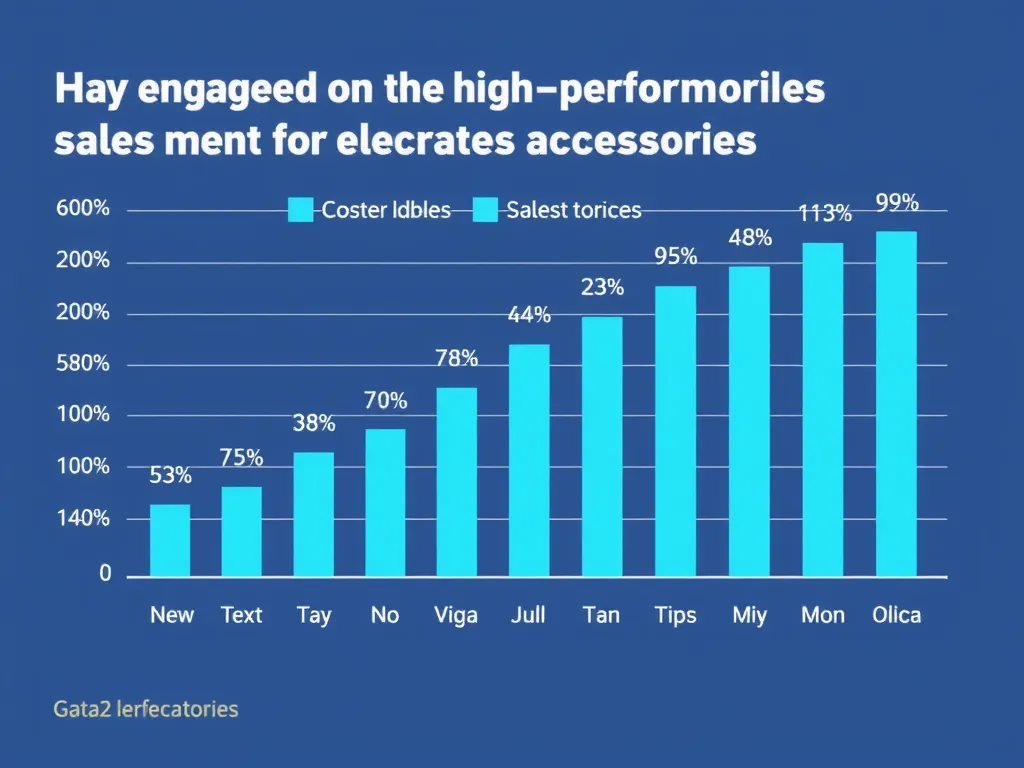
    Analytical Insights: How UGC Impacts Electronics Accessory Sales

    Data consistently shows that accessories with more UGC perform better.Statistical graph showing increased sales performance due to high engagement in user-generated content for electronics accessories Higher ratings and review volume correlate with improved search rank and conversion, and richer photo/video reviews increase engagement. Teams track a few signals: review count, average rating, sentiment trends, share of visual reviews, and time to first review after launch. Controlled experiments—moving UGC higher on the page or adding themed galleries—often lift click-through and add-to-cart rates. Beyond acquisition, better UGC reduces returns by setting accurate expectations before purchase.

    Additionally, UGC can enhance customer loyalty. Featuring customer content in emails, product pages, or help articles creates a positive feedback loop. Light gamification—badges for helpful reviewers, early access to limited colors, or invitations to beta groups—rewards sustained contributions. Thoughtful moderation matters: celebrate creativity, filter inappropriate material, and respond to criticism with specifics rather than boilerplate. This turns UGC into a relationship engine, not just a short-term traffic driver.

    Optimizing Your Strategy: Harnessing UGC for Maximum Impact

    To benefit from UGC, make creation and sharing effortless. E-commerce leaders have streamlined reviews; direct-to-consumer sites can mirror this with post-purchase flows—an email after delivery, a packaging QR code linking to a review form, or a brief SMS prompt. Provide prompts that reduce writer’s block (“What device do you use this with?” “How’s the fit after a week?”) and allow quick mobile uploads. Set clear reuse permissions, explain how submissions may appear in marketing, and make opting out simple. Support accessibility via captions, multiple languages, and inclusive examples.

    Encourage UGC through modest promotions or recurring features.Creative scene of a community event or contest encouraging electronics accessory use and review, highlighting user participation and brand engagement Photo contests and customer spotlights quickly generate content, but interaction matters just as much: reply to reviews, reshare user photos, and comment on social mentions to deepen connection. Keep incentives transparent, and use themes tied to real-life moments—work-from-home desks, road-trip charging kits, classroom tech organizers. Reuse what you gather: weave standout quotes into product pages, embed short clips near key specs, and test top photos in ads or guides. Measure impact and feed insights to product teams so recurring requests—like longer cables, sturdier clips, or brighter indicator lights—inform the roadmap.

    Conclusion

    Incorporating user-generated content in electronics-accessory marketing isn’t a trend; it’s essential. Authentic voices strengthen trust, build community, and lift sales when integrated across the journey. Treat UGC as a continuous program, not a one-off: set participation targets, keep submission paths easy, and acknowledge contributors publicly. Paired with responsive support and visible product improvements, consistent UGC turns customers into informed advocates who help others choose with clarity and confidence.

  • Unveiling Hidden Gems: How to Maximize Your Electronic Accessories Shopping Experience

    Unveiling Hidden Gems: How to Maximize Your Electronic Accessories Shopping Experience

    Discovering Hidden Gems: Enhance Your Electronic Accessories Shopping

    Shopping for electronic accessories is exciting yet easy to overcomplicate. This guide shows how to pick add-ons that fit your devices, avoid paying for features you’ll never use, and time purchases for better value. A little prep—knowing what matters, what doesn’t, and what you personally want—turns overwhelm into discovery and helps you buy once, buy well, and enjoy your gear longer.

    Effective buying starts with a clear use case—travel, work, gaming, content creation, or everyday convenience—then a budget that includes extras like cables, cases, or mounts. Build a short list and compare what affects daily life most: reliability, ease of use, and long‑term support. That focus helps you filter noise and quickly find the right fit.

    Grasping Specifications: A Shortcut to Smart Shopping

    Before you buy, check compatibility, power needs, and the few specs that truly change your experience. Mind standards and versions: USB‑C is only a shape; speeds (USB 3.2 vs. USB 2.0), video support, and power profiles vary widely. Wireless gear differs by Bluetooth versions and audio codecs (AAC, aptX, LDAC), which affect range, efficiency, sound, and latency. Tie each spec to an outcome—faster file transfers, steadier calls, or higher‑watt charging—so choices reflect your real use, not guesswork.

    Compatibility is Essential

    Confirm ports, operating‑system support, and firmware requirements, especially if you mix ecosystems (for example, a Windows laptop with an iPad or Android phone). Some features are model‑specific: docks may need certain chipsets; controllers can require console firmware; camera batteries often differ by generation. Look for certifications like USB‑IF, MFi, or Qi, and ensure your case or skin doesn’t block connectors or docks—a good accessory can seem incompatible if it won’t physically fit.

    Extra Features

    After fit, weigh features that improve daily use: noise cancellation in headphones, quick‑charge in power banks, SD and Ethernet on hubs, multi‑device pairing and backlighting on keyboards, or chargers that support USB‑PD, PPS, and QC. Practical touches—braided cables for durability, magnetic tips for convenience, IP ratings for water and dust resistance—add lasting value. Balance extras against size, heat, and battery life, choosing what best matches desk setups, commutes, or flights where ounces matter.

    Using Customer Reviews: Genuine Insights from Real Users

    Reviews reveal realities marketing misses. Sort by most recent to see how products age and whether updates fixed early issues. Prioritize verified purchases and scrutinize photos or videos for build quality, cable length, and fit. Mid‑star reviews often deliver nuanced pros and cons, and the Q&A section can mirror your exact use case.

    Understanding User Feedback

    Seek detailed reviews that list the devices used, environment, and duration. Follow‑ups after months reveal durability, battery health, and software stability better than day‑one impressions. Track notes on setup clarity, driver behavior, wireless range, heat, noise, and comparisons to well‑known alternatives—useful signposts that separate isolated opinions from patterns you can rely on.

    Spotting Common Complaints

    Treat recurring issues as red flags and repeated praise as a confidence boost. Separate shipping or seller mishaps from design flaws like overheating, weak hinges, or unstable drivers. Check dates: early complaints followed by recent positives may indicate a firmware or hardware fix. When manufacturers reply with troubleshooting steps, it signals engagement—and those tips may solve issues you encounter.

    Shopping Tips: How to Find the Best Deals

    Where and when you shop changes value. Sign up for retailer alerts and follow brands for limited‑time coupons. Consider reputable refurbished or open‑box units for substantial savings on chargers, docks, and headphones. Stack value with cashback portals, store promotions, and student or educator discounts. If speed matters, weigh shipping time or local pickup; a slow delivery can erase the benefit of a slightly lower price.

    Timing Your Buys

    Plan around major sales like Black Friday, Cyber Monday, and holiday events. Midyear promotions, Prime‑style deal days, and back‑to‑school often drop prices on storage, keyboards, and study gear. Watch product cycles—new phone, laptop, or console launches usually discount last‑gen accessories. Use price‑tracking tools to view history and set alerts so you buy at your target price instead of at the first dip.

    Comparison Shopping: Beyond Just Prices

    Compare prices across retailers and factor in tax, shipping, and return policies, which shape total value. Consider restocking fees and warranty differences; a rock‑bottom price with a rigid return window can cost more if the product disappoints. Evaluate bundles that include cables, cases, or software, and favor price‑match policies and extended holiday returns. Authorized dealers usually simplify warranty support compared with gray‑market sellers.

    Beyond Buying: Service and Support

    Ownership matters as much as purchase. After delivery, register your product, update firmware, and stress‑test the features you care about while you’re within the return window. Keep receipts, serial numbers, and packaging in one place for painless returns or claims. If an accessory relies on software, check how often the brand updates the app and whether the support site is clear. Great hardware with weak support still creates headaches—prioritize brands that make ownership simple.

    Warranty Importance

    Prefer accessories with solid warranties or guarantees that protect against defects and early failures. Note coverage length, what counts as normal wear, whether accidental damage is included, and who pays shipping for repairs. Consider extended plans or credit‑card benefits that automatically extend manufacturer warranties when you register and pay with that card. Keep documentation and serial photos handy for faster claims.

    Customer Service Availability

    Responsive support brings peace of mind and quick solutions. Look for multiple channels—chat for speedy fixes, email for detailed logs, phone for urgent issues—and active community forums with clear troubleshooting guides. Note service hours, language options, and typical response times in reviews. Strong support makes experimenting with new features and firmware updates feel safe.

    Conclusion: Enhance Your Electronics Shopping Experience

    An informed process—define needs, learn key specs, shortlist contenders, vet real‑world feedback, and buy at the right moment—leads to accessories that genuinely elevate your setup. The rewards are everyday: faster charging, clearer calls, tidier desks, and gear that simply works.

    Keep refining your approach as the market shifts. Maintain notes on wins, misses, and trustworthy brands to speed future choices. Share your findings, recycle or resell unused gear, and keep firmware current so accessories perform their best. Thoughtful picks today mean fewer headaches tomorrow—and a cohesive, reliable, and genuinely delightful setup.

  • Maximizing Value from Electronics Accessories: Smart Purchasing Tips for 2026 Consumers

    Maximizing Value from Electronics Accessories: Smart Purchasing Tips for 2026 Consumers

    Getting the Best from Your Electronics Accessories: Smart Buying Tips for 2026 Shoppers

    Electronics evolve quickly, and smart buyers want every purchase to count. In 2026, thoughtful accessory choices protect devices, boost performance, and stretch budgets. Treat accessories as multipliers: a good charger preserves battery health, a quality cable speeds work, and a sturdy case extends a device’s life. By clarifying needs, comparing options, and timing purchases, you can stay current without overspending.

    Navigating the Electronics Accessories Market in 2026

    The 2026 accessories market favors sustainability, smart design, and long‑term compatibility. Expect convergence across mobile, home, and work: travel chargers that power laptops and phones, hubs that double as docks, and sensors that talk to multiple ecosystems. Software support now matters as much as hardware—many accessories rely on companion apps for updates, automation, and security—so check how long a brand maintains firmware. Interoperability standards like universal connectors and smart‑home protocols reduce friction, but always verify the exact versions supported. As you browse, look for clear labeling, safety certifications, and strong warranties that show the company stands behind the product.

    Important Points to Consider When Buying Electronics Accessories

    Treat accessories like core components. A quick checklist—need, compatibility, durability, sustainability, support—avoids returns and clutter. If an item solves a daily problem, saves time, or protects gear you own, paying a bit more for a dependable version is often cheaper over time.


    • Compatibility:

      Ensure it works with your devices and platforms. Confirm model numbers, operating system requirements, and power needs—especially for multiport chargers and docks. Look for certifications and spec sheets listing charging profiles, wattage, audio codecs, and connectivity standards. Mixed households benefit from cross‑platform gear that can grow with you. When uncertain, consult manufacturer compatibility lists or user Q&A to confirm support for your exact device generation.

    • Durability:

      Materials and construction drive lifespan. Inspect cable strain reliefs, case hinges, and connector quality; small upgrades—reinforced sleeves, metal housings, protective coatings—prevent early failure. For items with batteries, review cycle life and safe temperatures. Longer warranties and repair‑friendly designs are strong durability signals, especially if you travel or share accessories with family members.

    • Eco-Friendliness:

      Choose brands with recycled materials, minimal packaging, and modular parts you can repair or replace. Favor accessories that cut energy use or consolidate functions so you own fewer, better items. Trade‑in and certified‑refurb programs keep good gear in circulation and reduce waste.

    Reviews and ratings reveal real‑world performance. Read beyond stars: scan recent updates after months of use, and study lower‑rated comments for patterns like frayed cables, loose ports, or app glitches. Filter by your model and year, and prioritize reviews with photos or measurements if fit matters. Professional tests, teardowns, and community threads expose build quality and safety details marketing misses. Watch for review authenticity—sudden rating spikes or vague, repetitive comments are red flags. Finally, confirm return policies and fees so exchanges are painless.

    Money-Saving Shopping Tips

    You can save without settling. Track prices, set alerts, and buy during seasonal sales, bundles, and coupon windows. Budget for protective essentials—case, screen protector, surge protection—before impulse accessories. Open‑box, certified‑refurb, and last‑year’s models often deliver premium performance for less, especially chargers, cables, and docks. Consider total cost of ownership: shipping, restocking fees, and any subscriptions for smart features. Be selective with extended warranties; many accessories are covered by standard warranties or credit‑card protection, making extra plans unnecessary except for items with higher failure risk.

    Where to Find Trustworthy Electronics Accessories

    Choosing trustworthy sellers is crucial. Balance online availability and pricing with in‑store inspection. Authorized retailers—local or online—protect warranties and reduce counterfeit risk. Cross‑check model numbers and packaging on the manufacturer’s site, and be wary of prices far below market averages. Favor retailers with transparent support pages, clear return windows, and accessible warranty claim steps.


    • Online Shopping:

      Convenient and often cheaper. Verify seller credibility through platform ratings and feedback. Favor listings with serial numbers, official images, and precise specs, and read return and shipping terms before checkout. If buying in a marketplace, note whether the seller is the brand, an authorized partner, or a third party, and prefer fulfillment options that offer easy returns. Register serial numbers after purchase to validate warranty. Use wish lists and price alerts to catch brief deals without endless scrolling.

    • Physical Stores:

      Hands‑on testing matters. Check fit, flexibility, and port alignment; confirm included accessories and untampered packaging. Ask about price matching for reputable online offers, and scour clearance sections after verifying compatibility and warranty at the counter. When available, try demo units to assess build quality and heat under load before you buy.

    Check retailer reputation on independent review sites to confirm authenticity. For U.S. shoppers, consumer‑protection resources and accreditation directories add context on complaint history and responsiveness. A quick look at help centers and social channels shows how quickly issues are resolved and how clearly warranties, returns, and recycling are explained.

    Real Stories and Examples

    Real experiences clarify what works. Jane in California saved over $300 by stacking a newsletter coupon, loyalty discount, and weekend promo, then used store pickup to skip shipping fees. Mark in London mapped his household devices and used a compatibility checklist, avoiding a hub that lacked his laptop’s video output. Priya in Austin chose a certified‑refurb dock with a two‑year warranty, paying half the original price while gaining extra ports and reliable support. Their shared lesson: plan purchases, verify specs, and act when the price and timing align.

    Looking Ahead in Electronics Accessories and Wrap-Up

    Staying informed leads to better buys. Expect more accessories that update via software, combine multiple functions, and include privacy controls for microphones, cameras, and sensors. Travel kits will simplify as universal connectors and faster charging standards spread, while home setups benefit from hubs that cut cable clutter and safely power multiple devices. Repairability and clearer energy information will matter more, helping you evaluate long‑term cost and environmental impact.

    In summary, smart buying is about more than price. Understand trends, rely on clear reviews, and prioritize function over extras. Start with a goal, confirm compatibility, read a few detailed reviews, compare total cost—including returns and warranty—and buy from reputable sellers. After delivery, test promptly so you can exchange if needed, keep receipts and serial numbers for warranty claims, and recycle packaging responsibly. With a bit of preparation, your accessories will work harder and last longer—saving you money and reducing waste throughout 2026 and beyond.

  • Leveraging SEO and Data Analytics to Enhance Electronics Accessories E-commerce

    Leveraging SEO and Data Analytics to Enhance Electronics Accessories E-commerce

    Boosting Electronics Accessories E-commerce with SEO and Data Insights

    Electronics accessories e‑commerce moves fast, and staying profitable while meeting rising expectations is hard. Pairing SEO (Search Engine Optimization) with data insights solves for both: it strengthens visibility, sharpens the experience, and lifts sales. In a category with thin margins and short lifecycles, this combo also clarifies operations—what SKUs to back, which pages to fix first, and how to speak to shoppers by stage. The result is a storefront that draws qualified traffic, converts efficiently, and builds durable brand equity.

    The Impact of SEO on E-commerce SuccessVisual representation of SEO impact on e-commerce, showing ascending graph, electronic accessories like cables and adaptors, search engine result pages, professional digital illustration

    SEO is foundational to visibility and revenue. In electronics accessories, showing near the top of results connects intent with supply, lifting qualified traffic and conversions. Searches like “best USB‑C hub for MacBook” signal purchase intent; ranking at that moment puts products in the consideration set. Visibility compounds over time—impressions drive clicks, reviews, trust, and stronger rankings.

    Use target keywords in titles, meta tags, and product copy, but prioritize how customers actually search. Blend head terms with long‑tail phrases, compatibility cues (“works with Galaxy S24,” “Thunderbolt 4 ready”), and natural semantic variants. Pair descriptive copy with structured data and clear specs so engines parse wattage, materials, dimensions, and warranty details. Add internal links and descriptive alt text for images to reinforce relevance. Publish helpful guides—charging safety, protection checklists, and comparison pieces—to answer real questions, reduce hesitation, and signal quality.

    Grasping Data Insights for E-commerceData analytics dashboard for e-commerce insights, featuring charts and graphs, electronic products analytics, high tech, professional infographic style

    Data insights turn behavior into decisions. For accessories retailers, that means knowing who buys what, why, and when—then shaping assortments and marketing accordingly. Combine web analytics, on‑site search logs, CRM, email engagement, reviews, and returns to reveal segments—commuters, students, creators—and the features and price points each cares about. Track how price sensitivity shifts around promotions or device launches to time offers and adjust bundles.

    Analytics show top products, paths through the site, and purchase drivers—critical inputs for inventory, targeting, and service. Funnel reports pinpoint drop‑offs on category pages, PDPs, or checkout; cohort analyses reveal replenishment windows for consumables like cables or screen protectors. Mining review text surfaces pain points (frayed cords, loose fit, heat) that shape product fixes and page content. Inventory teams forecast by device ecosystem to avoid post‑launch stockouts, while service teams build macros and FAQs for the most common questions. Together, these insights tighten operations and reduce avoidable costs.

    Merging SEO and Data InsightsSEO and data insights merging illustration, digital flow of keywords and data points, interconnected electronics store layout, modern, abstract graphic

    Together, SEO and data insights create a growth loop. Let analytics reveal the keywords and intents that move revenue and margin, then tune pages to match. Tie keyword priorities to revenue per visit and profitability by product line. Map queries to informational, comparison, and transactional needs so shoppers progress naturally from learning to buying. Use data to spot content gaps where competitors win, and build topic clusters that interlink guides, categories, and products—clear paths for users and clean structure for crawlers.

    Suppose trends and feedback show surging demand for “fast USB‑C chargers for multi‑device travel.” Reflect that in titles, meta descriptions, and hero copy, highlighting speed standards, port counts, and safety certifications. Add concise FAQs on wattage, compatibility, and airline rules. Monitor how these updates influence click‑through rate and conversion, iterate quickly, and keep content synchronized with demand so you capture rising interest rather than trailing it.

    Practical Uses: Improving User Experience and SalesUser experience enhancements for online electronics ecommerce, featuring personalized product recommendations, interactive web page layout, seamless navigation illustration, photorealistic style

    Applied well, the pair improves UX and sales. Personalize recommendations by past behavior, and ensure personalized modules remain discoverable and crawlable. Segment homepages or key modules by interest—gaming, fitness, remote work—so relevant accessories appear first. Use server‑side rendering and canonical tags to prevent duplicate content. Predictive bundles—cable organizers with chargers, cases with power banks—speed discovery while preserving technical SEO hygiene and session performance.

    Monitor bounce and exit rates on priority PDPs. If visitors leave, fix intent alignment and speed. Audit Core Web Vitals, image weight, and layout shifts; slow or jumpy pages erode trust. Ensure the primary image shows scale and connectors, compatibility is obvious above the fold, and pricing and shipping are clear. Add brief comparison copy for variants (lengths, materials, wattage), test review and badge placement, and align on‑site search synonyms so “Type‑C” equals “USB‑C.” Each refinement reduces friction and lifts both rankings and revenue.

    Tackling Challenges and Planning AheadIllustration of challenges in integrating SEO and data, featuring conceptual hurdles like privacy and consent, dynamic adaptation scenarios in a digital e-commerce setting

    Integration brings hurdles: privacy, consent, and constant upskilling to keep pace with SEO changes. Implement consent management, collect only essential data, and anonymize where possible. Establish a regular cadence—monthly SEO reviews, analytics readouts, and experiment retros—to spread learning and focus on what moves KPIs. Because algorithm shifts and device launches can swing demand, build processes that let pages, feeds, and merchandising update in hours, not weeks—turning volatility into advantage.

    Stay ready for new behaviors like voice and visual search by answering concise, everyday questions (“Can this power bank charge a laptop?”) and using clear imagery with descriptive alt text. Expand structured data to earn rich results, and keep product feeds clean for marketplaces and comparison engines. As AI‑enhanced search summarizes pages, concise authoritative copy plus trustworthy signals—reviews, expert input, and clear specs—will stand out. The brands that iterate quickly, measure rigorously, and prune what doesn’t work will lead.

    Conclusion

    For electronics accessories sellers, uniting SEO with data insights is a direct path to better performance. It expands visibility, improves experiences, and boosts sales. Start with a baseline: audit speed and crawlability, map keywords to intent and margin, and instrument analytics for clean, decision‑ready data. Then work in short cycles—ship weekly, measure, and scale what works. As the landscape shifts, staying informed and adaptable turns organic search and analytics from tactical tools into a durable competitive advantage.

  • Essential Mobile Optimization Techniques for E-commerce Platforms

    Essential Mobile Optimization Techniques for E-commerce Platforms

    Essential Mobile Optimization Techniques for Online Stores

    Mobile devices now shape how people shop online. To reach more customers, stores must perform flawlessly on phones. A refined mobile experience raises engagement and sales. Shoppers discover products via search, social, and messaging, then expect to research and check out without switching devices. They browse one‑handed, on variable networks, with short attention spans, so every tap must count. Mobile optimization is more than shrinking a desktop site—it means designing for context: thumb reach, glare, interruptions, and privacy. Deliver fast, intuitive, trustworthy interactions to cut friction, protect brand perception, and turn casual browsers into customers.

    Importance of Mobile Optimization

    Optimizing for mobile is non‑negotiable. Mobile now accounts for more than half of global online traffic; neglecting it wastes demand and frustrates customers. A mobile‑first site lifts conversion, order value, and repeat purchases by removing hesitation. Search engines weigh mobile usability and speed, so better experiences often yield higher rankings and discovery. Accessible, inclusive design on small screens also serves customers on assistive tech or limited bandwidth. In categories with similar products, the smoothest mobile journey wins.

    Key Strategies to Enhance Mobile Experience

    Responsive Web DesignDetailed close-up of a responsive web design layout on multiple screen sizes, showcasing fluid grids and adaptive content, photorealistic, professional lighting, illustrating adaptability for mobile devices

    Start with responsive design: layouts that adapt to any screen. Use fluid grids, scalable type, and flexible images; choose breakpoints based on content and include the viewport meta tag. Make touch targets large and well spaced, and place critical controls in the thumb zone. Account for orientation, safe areas, and system UI. Test on real devices—older phones, multiple browsers, and high‑contrast or dark mode—to ensure clarity.

    Streamlined NavigationIllustration of intuitive mobile navigation design on a smartphone, showing easy-to-use menus and search functions, high quality, vibrant colors, focusing on thumb zone usability

    Make navigation effortless on small screens. Keep menus concise and prioritize search, categories, and the cart. Consider bottom navigation and a persistent search for quick reorientation. Speed discovery with predictive search, recent queries, and clear filter chips. Provide breadcrumbs and prominent back actions, limit deep nesting, avoid hover‑only interactions, and pair icons with short labels. Above all, keep the path to product pages and checkout unmistakable and short.

    Focusing on Page SpeedAbstract visual of fast mobile page loading, showing speed elements like lightning and dynamic graphics over a smartphone screen, representing optimized page speed

    Speed directly affects rankings and revenue. Even small delays raise bounce rates. Compress images, cache assets, and trim JavaScript to cut data transfer. Use modern formats (WebP/AVIF), responsive images (srcset, sizes), and lazy‑load below‑the‑fold media. Minify and bundle assets, defer or async noncritical scripts, and inline critical CSS to prevent render blocking. Audit third‑party tags and keep only what you need. Serve via a CDN, enable HTTP/2/3, and preconnect key domains. Monitor Core Web Vitals—LCP, INP, CLS—and enforce performance budgets so new features don’t slow the site.

    Optimizing the Checkout ProcessSimplified mobile checkout process graphic, displaying an easy and secure checkout on a smartphone, with icons of digital wallets and autofill, professional photography style, clear and concise layout

    Streamline checkout to lift mobile conversions. Support autofill, digital wallets, and trusted payment options; keep forms brief. Offer guest checkout and show progress or use a single‑page flow. Speed address entry with autocomplete, real‑time validation, and clear inline errors. Reveal total costs early—taxes, shipping, fees—to build trust. Include Apple Pay, Google Pay, PayPal, and relevant local methods, reinforced by recognizable security cues and plain‑language privacy. Let shoppers save carts across devices, and make returns, support, and delivery estimates easy to find.

    Mobile SEO Best PracticesIllustration showing mobile SEO optimization, with digital icons of search engines, smartphones, and analytical data, detailed and modern design, bright and professional

    Mobile SEO keeps your store discoverable. Ensure mobile content matches desktop in depth, metadata, and internal links to satisfy mobile‑first indexing. Write concise, intent‑led titles and meta descriptions, and avoid intrusive interstitials. Add product, review, FAQ, and breadcrumb schema to earn rich results. Let crawlers access CSS and JavaScript, use descriptive alt text, and manage canonical and pagination tags to prevent duplicates. If AMP or lightweight templates help, implement them carefully while keeping branding and analytics consistent.

    Utilizing Mobile AnalyticsImage of mobile analytics dashboard, displaying key performance indicators and user interaction data on a smartphone, modern and detailed visual, professional lighting

    Use mobile analytics to find friction and prove impact. Define KPIs such as conversion rate, revenue per session, cart abandonment, page load, and time to product discovery. Track events—filter use, add‑to‑cart taps, and checkout errors—and segment by device, OS, screen size, location, and source. Pair quantitative data with heatmaps and session replays to see scroll depth and mis‑taps, then validate fixes with A/B tests. Collect only necessary data and honor consent, turning insights into action with a prioritized backlog and cadence.

    Conclusion: Embracing the Mobile Future

    Adapting to mobile is essential for growth. Focus on responsive design, speed, navigation, checkout, and SEO to improve results. Treat mobile optimization as an ongoing discipline: set performance budgets, monitor metrics weekly, and iterate with small tests. Align design, engineering, and marketing around speed, clarity, and trust. Each improvement reduces friction, increases repeat visits, and strengthens loyalty.

    At

    linda.hunnt.ai

    , we connect factories and consumers with solutions built for mobile efficiency. Explore our offerings to elevate your e‑commerce experience. Our team conducts audits, performance tuning, UX research, and rapid prototyping to remove barriers for mobile buyers. We implement scalable storefronts, optimize images and caching, and streamline checkout with secure, localized payments. Whether re‑platforming, going headless, or refining an existing stack, we help prioritize changes that drive mobile engagement and revenue.

  • The Role of Electronics Accessories in Enhancing Eco-Friendly Practices

    The Role of Electronics Accessories in Enhancing Eco-Friendly Practices

    The Role of Electronics Accessories in Boosting Eco-Friendly Practices

    As awareness of environmental impact grows, accessories are becoming quiet enablers of sustainable living. Sitting between our devices and daily habits, they influence energy use and product longevity. Smart power strips curb standby drain, repair-friendly cases and screen protectors prevent premature replacements, and efficient chargers waste less power. Chosen well, these small add-ons automate better behavior—turning sustainability from an aspiration into a default.

    Demand for greener products is surging as climate concerns and better technology converge. Accessories now compete on performance and price while lowering total cost of ownership: they save energy, extend device life, and enable repairs that sidestep costly upgrades. When sustainable gear is durable, affordable, and easy to use, ethical intent aligns naturally with everyday routines, making eco-friendly choices feel practical rather than preachy.

    The Evolution of Eco-Friendly Electronics Accessories

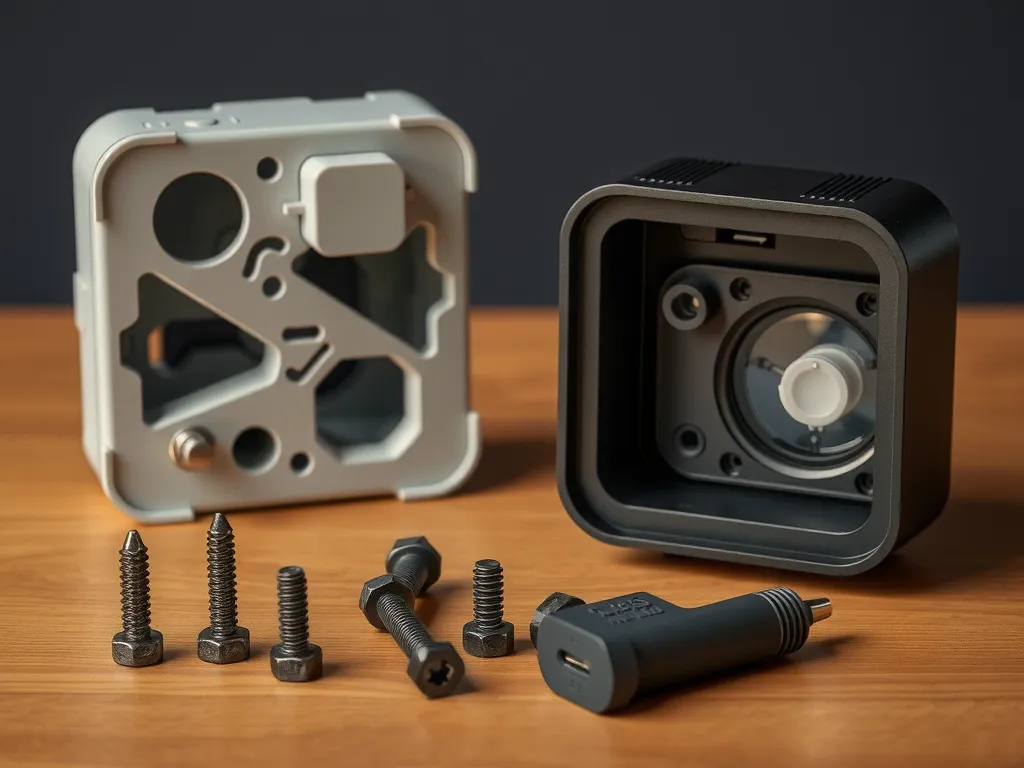
    The accessory market has rapidly matured toward sustainability. Recycled and compostable materials are common in cases, sleeves, and cables; packaging favors minimal, plastic‑free designs with vegetable inks and recycled paperboard. Design-for-disassembly—screws instead of adhesives, modular housings, replaceable wear parts—keeps products repairable.Design of modular electronics accessories featuring replaceable parts and screws, showcasing repair-friendly cases and chargers, with detailed, professional lighting, demonstrating sustainability-focused engineering Chargers increasingly use high‑efficiency components that run cooler and waste less power, proving how thoughtful engineering directly reduces environmental impact.
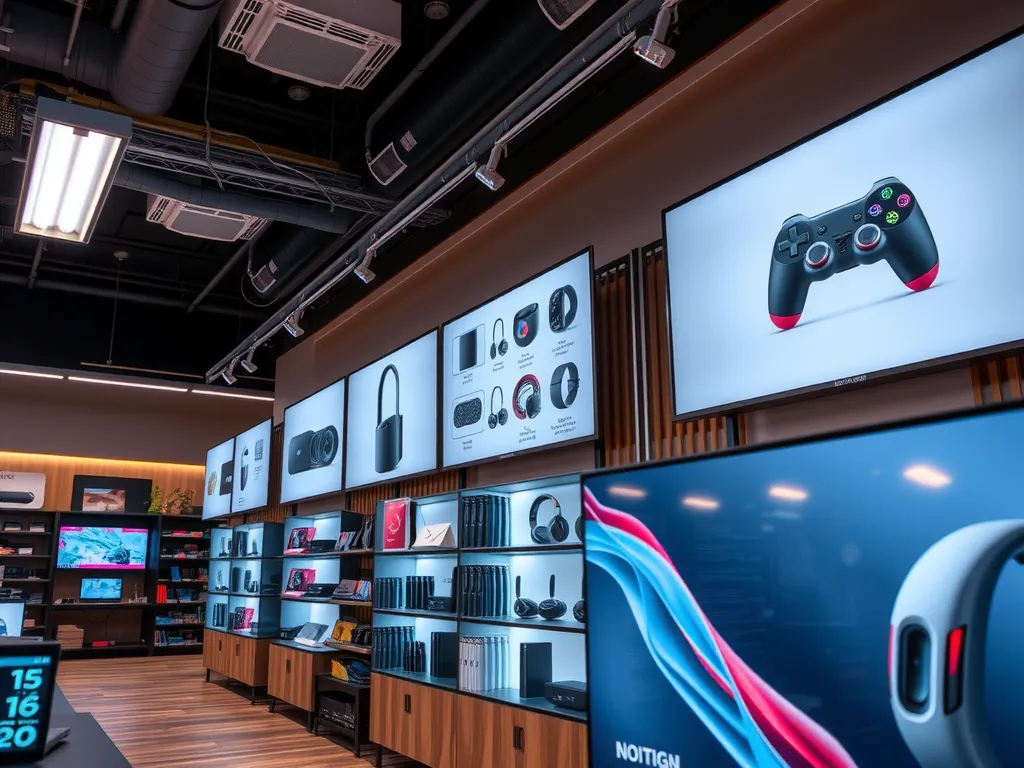
    Buyers now expect brands to show their work. Transparent supply chains, published recycled‑content percentages, and clear end‑of‑life paths are replacing vague claims. Take‑back programs recover metals and polymers for reuse, strengthening a measurable loop of materials and accountability. As established manufacturers and startups iterate each product cycle with data, sustainability moves from marketing to method, advancing quality alongside lower impact.

    Popular Eco-Conscious Gadgets and Accessories

    Standout products include solar chargers, biodegradable or recycled‑content phone cases, and efficient power banks. Smart plugs and connected power strips monitor use and shut off idle devices, while compact gallium nitride (GaN) chargers deliver fast charging with less energy loss. Rugged, braided cables made from recycled fibers reduce fraying and replacements, and sleeves fashioned from reclaimed textiles protect laptops and tablets. Together, they support a maintain‑and‑repair mindset that keeps core devices working longer.

    These accessories lower footprints and raise expectations. By normalizing replaceable parts, recycled inputs, and modular designs, they push broader categories to follow. Standardized connectors reduce charger duplication, and multi‑device hubs minimize clutter and waste. When eco‑conscious accessories excel on usability and reliability, they set a benchmark that influences what consumers demand elsewhere—fueling a cycle of innovation and accountability.

    How to Spot Genuine Sustainable Products

    With “green” claims everywhere, verification matters. Look for ENERGY STAR ratings, credible eco‑certifications, and sourcing transparency. Seek third‑party validation, clear recycled‑content disclosures, spare‑part availability, and packaging that cuts waste without sacrificing protection. Certifications addressing lifecycle impacts, worker safety, and restricted substances suggest deeper commitments. Durability testing, robust warranties, and convenient take‑back options are strong signals that a brand backs its promises.

    Support companies reducing impact rather than masking it. Be skeptical of vague terms—“eco,” “natural,” “green”—without specifics, and of offsets used in lieu of real reductions. Red flags include murky logos, tiny disclaimers, and sweeping claims without data. Consult user repair guides, independent teardowns, and Q&A with manufacturers about materials and end‑of‑life plans. Every purchase rewards the practices you want normalized.

    The Impact of Green Technology on Shopping Habits

    Greener accessories are reshaping buying behavior. As options improve, consumers choose products that reflect environmental priorities without sacrificing convenience. Many now repair before replacing, seek refurbished or pre‑owned gear, and assemble minimalist kits that serve multiple needs. Rental and sharing programs for specialized equipment are emerging, and trade‑in credits simplify responsible upgrades—shifting habits from impulse buying to intentional ownership.

    This shift extends to institutions and culture. Offices and schools adopt procurement guidelines that specify certified accessories, cutting waste at scale and modeling best practices. Gift‑givers favor durable, repairable, energy‑saving items that match recipients’ values. As communities share tips and success stories, sustainable choices become social norms—accelerating the transition to lower‑impact tech across households and workplaces.

    Examples of Successful Eco-Friendly Initiatives

    Several efforts demonstrate what works. Fairphone advances modular smartphone design that eases repair and reduces e‑waste. Apple’s recycling initiatives recover valuable materials from older devices, closing loops in the supply chain. Accessory makers now publish material footprints, offer extended warranties, and design products for reconditioning. Community e‑waste drives, repair cafés, and nonprofit refurbishers keep accessories in use longer and direct end‑of‑life items to responsible recyclers.

    The lesson is consistent: build for longevity, enable straightforward repairs, and communicate clearly about materials and impact. Partnerships turn principles into practice—manufacturers with recyclers, logistics teams optimizing shipments, and retailers hosting take‑back bins. When the ecosystem coordinates around circularity, accessory lifecycles become cleaner, longer, and more transparent.

    Future Trends in Sustainable Electronic Accessories

    The next wave blends performance with circular design. Expect advances in biodegradable or bio‑based elastomers for cases, recycled metals in chargers and docks, and mycelium or molded‑pulp packaging that protects without plastics. Digital product passports could track materials, repairs, and ownership, easing resale and recycling. Continued connector standardization will curb redundant gear, while smarter power management and higher charging efficiency trim everyday energy use.

    Consumers will keep steering this progress. Simple habits—coiling cables gently, avoiding extreme battery temperatures, using energy‑monitoring plugs to expose hidden loads—extend accessory life and cut waste. Prioritize gear with replaceable wear parts, clear maintenance guidance, and responsible end‑of‑life options. Asking for service documentation, spare components, and transparent impact data signals that performance and sustainability must advance together.

    Conclusion

    Electronics accessories bridge technological progress and sustainability. By prioritizing eco‑friendly options, consumers reduce environmental impact while preserving convenience and performance. Start with high‑frequency upgrades: a smart plug for a desk setup, a durable cable that replaces several flimsy ones, or a protective case that adds years to a phone’s service life. Small choices compound into meaningful reductions.

    As more buyers reward transparency, durability, and repairability, brands respond with better designs and stronger commitments. Over time, those decisions add up to measurable cuts in waste and energy use. Accessories may seem minor, but multiplied across millions of homes and workplaces, they form a powerful lever for change—quietly, reliably, every day.

  • Enhancing E-commerce through Data-driven Personalization in Electronics Accessories Shopping

    Enhancing E-commerce through Data-driven Personalization in Electronics Accessories Shopping

    Boosting E-commerce with Tailored Experiences in Electronics Accessories Shopping

    Online shopping is evolving rapidly, and personalization is now essential. In electronics accessories, overwhelming choice makes guidance vital. When shoppers face dozens of similar chargers, cables, cases, or adapters, curated clarity reduces decision fatigue, builds confidence, and earns repeat visits. Brands that translate raw selection into helpful direction turn browsing into buying and create loyalty that persists across launches and seasons.

    Data-powered personalization gives retailers a distinct edge by delivering experiences that feel individually relevant.A professional illustration of data analytics and consumer behavior tracking, showing graphs, heatmaps, and digital interfaces for e-commerce platforms Analytics reveal how customers behave; combining first‑party signals with context like device type, referral source, and location surfaces options that fit the moment. Equally important is privacy: clear consent, transparent explanations, and easy opt‑outs ensure personalization feels like service, not surveillance, strengthening long-term trust.

    Understanding Consumer Actions with Data Insights

    Start by understanding behavior across touchpoints—website visits, digital marketing interactions, on‑site search, cart events, support chats, and post‑purchase feedback. Each signal reveals intent at a different stage of the journey. Mapping these cues to goals—replacing a lost cable, finding a travel adapter, or upgrading to faster charging—helps teams align content, promotions, and assistance with real needs rather than assumptions.

    Tools like Google Analytics reveal popular pages, navigation paths, and products that capture attention. Heatmaps and session replays highlight hesitation points, while campaign tagging clarifies which channels introduce high‑value buyers. The discipline is separating signal from noise: prioritize patterns that repeat across segments and cohorts, and be cautious of one‑off anomalies that can mislead optimization efforts or inflate short‑term wins.

    Real-time Insights for Immediate Personalization

    Real‑time insights enable instant personalization. A shopper repeatedly browsing power banks can see timely deals or side‑by‑side comparisons; a mobile visitor on a newer smartphone might see MagSafe or USB‑C PD accessories first, while a desktop gift‑seeker is offered bundles and gift‑wrapping. Inventory‑aware logic promotes in‑stock alternatives to prevent disappointment. Quick A/B tests validate which messages, layouts, or incentives create the fastest path to checkout and the lowest return rate.

    Categorizing Audiences for Focused Personalization

    After analysis, segment audiences by actions and preferences—from newcomers to frequent buyers, basics‑seekers to advanced‑gadget fans. Add lifecycle stage, budget sensitivity, and brand affinity for sharper focus. Simple RFM (recency, frequency, monetary) scoring highlights who merits VIP treatment, who is at risk of lapsing, and who needs a nudge to complete a first purchase or try a higher‑margin accessory.

    Use segments to tailor messaging and product suggestions. Tech enthusiasts can receive alerts and deals on the latest smart‑home gadgets or high‑wattage chargers, while casual buyers get guidance on reliable, affordable essentials. Channel‑specific variations make segmentation tangible: SMS for back‑in‑stock notices or order updates, email for how‑to content and comparisons, and on‑site banners that spotlight accessories compatible with items the shopper already owns. Build richer profiles gradually—progressive prompts earn more data without long, interruptive forms.

    Implementing Smart Product Suggestions

    Personalized recommendations are central to modern e‑commerce. Learning‑based algorithms predict what a shopper might want next, improving discovery while supporting cross‑sell and upsell. Platforms like Shopify and BigCommerce offer plugins that deliver these tailored suggestions with minimal engineering effort. In accessories, relevance hinges on compatibility: surfacing cords, mounts, or cases matched to a shopper’s device reduces returns and builds credibility. Blend “people like you also bought” with “complete your setup” to balance exploration and utility, and use clear labels such as “Because you viewed…” so suggestions feel transparent and helpful.

    Improving User Experience through Personalization

    The goal of data‑driven personalization is a smoother, more inviting journey. It should enhance—not replace—fundamentals like fast page loads, accessible design, intuitive navigation, and reliable search. With the foundation strong, personalized elements act like signposts that shorten the distance between curiosity and confidence, guiding shoppers to the right choice without friction or confusion.

    Practical examples include landing pages that recall preferences, product lists tuned to browsing history, and targeted email campaigns that continue the conversation. Keep the experience consistent across channels: a visitor who explored travel adapters yesterday might see international charging bundles today, supported by concise comparison charts and compatibility checkers. Ensure ads, emails, and on‑site modules echo one another, so the shopper never has to restate needs or restart the journey on each visit.

    Utilizing AI and Machine Learning

    AI and machine learning unlock deeper personalization by spotting patterns at scale and predicting needs before search begins.Digital illustration of AI and machine learning processes in e-commerce, highlighting algorithms, predictive models, and technology interfaces Useful techniques include clustering to find natural audience groupings, sequence models to suggest the next best product, and natural language processing to condense reviews into digestible insights. To maintain trust, apply privacy‑by‑design principles, monitor for bias, and provide clear controls that let shoppers adjust the level of personalization and the data used to power it.

    Gauging the Success of Personalization Strategies

    No strategy is complete without evaluation. Track KPIs such as conversion rate, average order value, and customer lifetime value to gauge impact. Pair quantitative data with qualitative feedback from surveys or intercepts to understand how personalization affects satisfaction and perceived relevance. Diagnostic measures—add‑to‑cart rate, recommendation click‑through, dwell time, and return rate—reveal whether suggestions are genuinely useful. When possible, use controlled experiments to isolate lift from seasonality, discounts, or homepage changes.

    Treat personalization as a continuous product, not a one‑time project. Review dashboards weekly, retire weak rules, and refresh training data as devices, standards, and shopper habits evolve. Coordinate with merchandising and inventory so promoted accessories are available in the right colors and connectors. Close the loop with customer support and returns teams to learn when recommendations miss the mark and to fix mismatches quickly before they scale.

    Conclusion: The Future of Electronics Accessories ShoppingA concept of a futuristic online shopping experience with a customer receiving personalized product recommendations through augmented reality glasses

    As technology advances, customer expectations rise. In electronics accessories, personalization differentiates retailers in a crowded market. By leveraging data insights and modern tools, brands can create experiences that resonate, build lasting relationships, and drive sustainable growth. The most compelling journeys extend beyond purchase with proactive setup tips, warranty reminders, and timely suggestions for complementary items that enhance lifespan, safety, and performance.

    Applying these strategies elevates each shopping trip and keeps retailers competitive in a fast‑moving digital environment. Start with a clear goal—fewer returns, higher attachment rates, or faster discovery—then pilot a few focused use cases, measure impact, and expand thoughtfully. In a category where compatibility matters and choice is abundant, tailored guidance turns complexity into confidence, ensuring customers find exactly what they need and return with enthusiasm for the next upgrade.

  • The Ultimate Guide to Choosing the Best Electronics Accessories for Smart Homes

    The Ultimate Guide to Choosing the Best Electronics Accessories for Smart Homes

    The Ultimate Guide to Choosing the Best Electronics Accessories for Smart Homes

    As smart homes move from novelty to everyday, demand for accessories that blend into routines keeps rising. This guide offers practical, future‑minded advice for buying gear that enhances comfort without adding complexity. Whether you’re installing a first voice assistant or refining a dense setup, the aim is the same: tools that quietly work. We’ll show how to prioritize features, avoid lock‑in, and choose standards‑ready devices so you can purchase with confidence across convenience, security, and value.

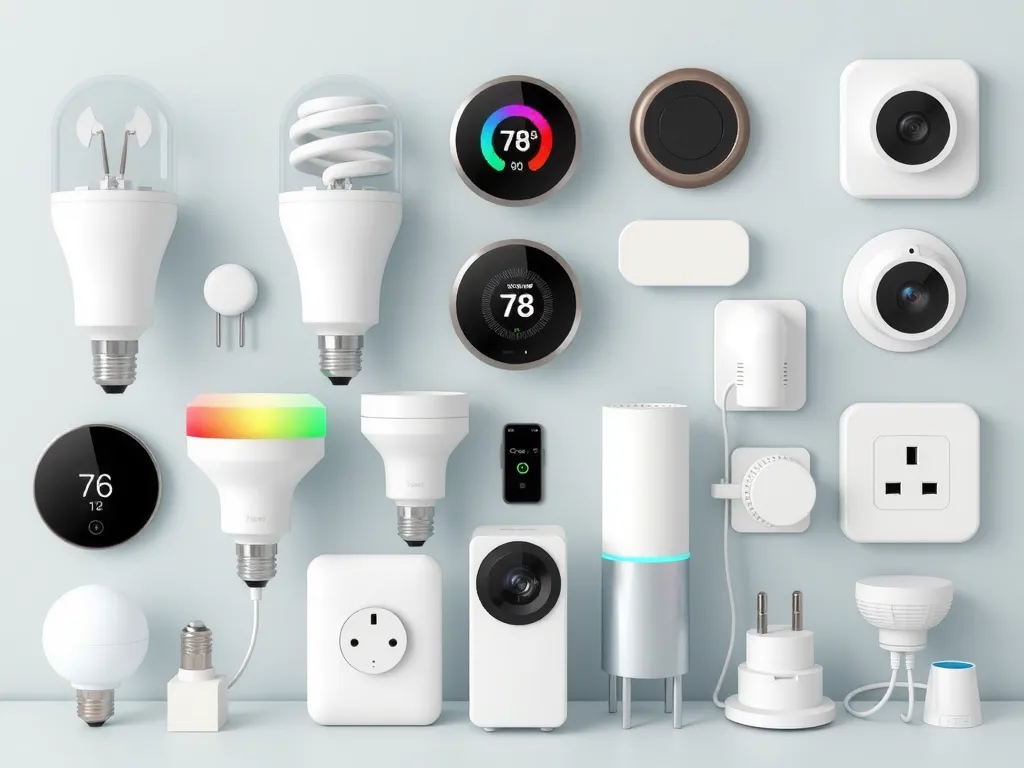
    Understanding Smart Home AccessoriesArray of modern smart home gadgets like smart bulbs, thermostats, cameras, and plugs, each with distinct designs, photorealistic, high detail

    Smart home accessories are networked devices you control from phones or assistants: lights, thermostats, cameras, plugs, sensors, doorbells, vacuums, and blinds. They use Wi‑Fi, Bluetooth, Zigbee, Z‑Wave, or Thread; some need a hub, others run alone. Cloud access enables control away from home, while local processing favors speed and privacy. Learn how each device connects, where data is stored, and which app or voice platform it uses to keep the system cohesive.

    Key Factors to Consider When Choosing Smart Home ElectronicsClose-up view of various network connection symbols like Wi-Fi, Bluetooth, Zigbee, and Z-Wave icons on a digital interface, conceptual graphics, high resolution

    Compatibility

    Confirm ecosystem fit—Alexa, Google Home, or Apple Home—and check protocol support. Wi‑Fi is common; Zigbee, Z‑Wave, and Thread excel for low‑power sensors and switches. Matter aims to simplify cross‑platform control, so Matter‑labeled devices often integrate more smoothly. Ensure your router can handle more 2.4 GHz clients, note device limits, and whether a hub is required. If you own older gear, pick accessories that bridge protocols so upgrades can be incremental.

    Ease of UsePerson using a smartphone app to control smart home devices, interface showing various controls and notifications, bright, interactive screen display

    Choose products that are easy to set up and live with: QR or Bluetooth onboarding, clear in‑app prompts, and helpful automation templates. Physical controls still matter—responsive switches, backlit keypads, intuitive thermostat dials. Low latency and high reliability are essential; a light should respond instantly. Multi‑user access lets everyone control devices without shared logins. If needed, confirm accessibility features such as voice control, large text, and haptic feedback.

    Security FeaturesSecure smart home network setup, with elements showcasing data protection visualized by shield icons and padlocks, concept art, high quality

    Prioritize security. Choose brands with frequent firmware updates and enable two‑factor authentication. Ensure encrypted communications and unique per‑device passwords. For cameras and doorbells, review tools like activity zones, masking, and local storage on a hub or microSD. Put devices on a separate network when possible and disable unneeded remote access. Read privacy policies for data retention. A short checklist—updates, strong credentials, minimal permissions—goes a long way toward protecting your home.

    Top Smart Home Accessories Categories

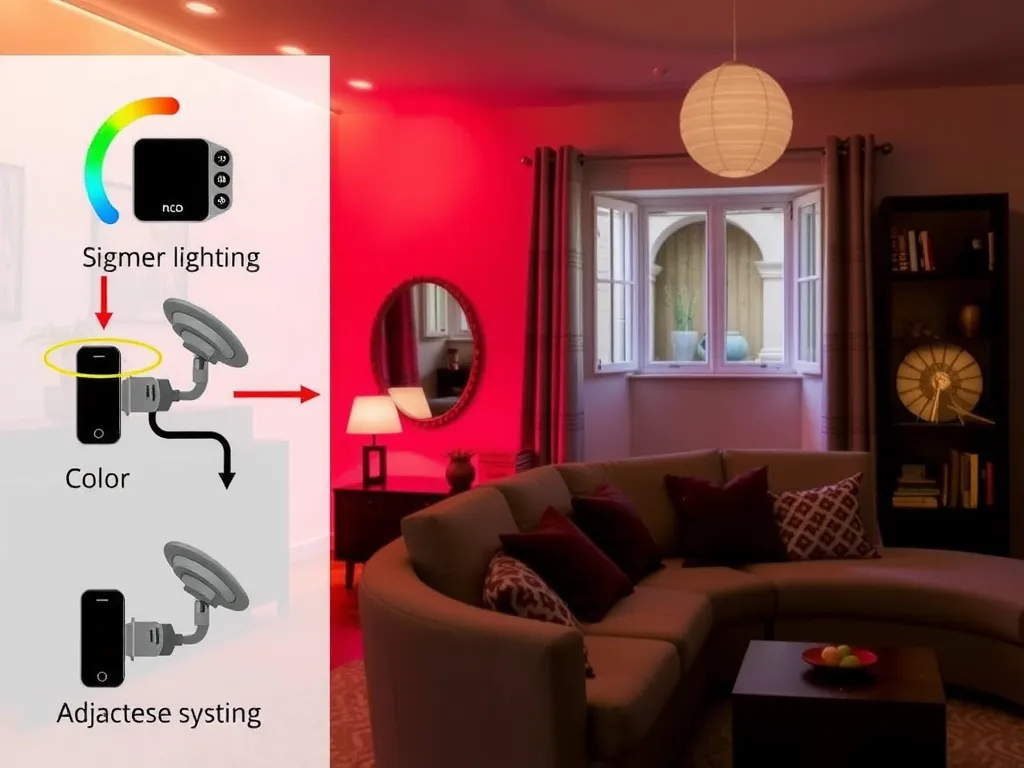
    Smart LightingSmart home lighting setup with adjustable colors and brightness, featuring a cozy room lit in different shades, warm and inviting ambiance

    Smart bulbs and switches add dimming, color, and schedules. Compare lumens for brightness and color temperature ranges; warm 2700K suits evenings, cooler 5000K aids tasks. CRI 90+ renders colors naturally. Use bulbs for lamps and scenes; use switches to control circuits and keep wall controls. Check power‑out behavior, three‑way support, and neutral‑wire needs. Motion sensors automate halls and closets, and sunrise/sunset routines provide gentle, circadian lighting.

    Home SecurityVarious smart home security gadgets like cameras, locks, and sensors in a residential setting, set up to protect a modern home, real-world installation visualization

    Smart cameras, sensors, and locks provide timely alerts and visible deterrence. Match camera resolution, HDR, night vision, and field of view to the space. Use wired power for reliability or batteries for flexible placement. Plan for storage and costs: local recording avoids subscriptions; cloud plans add features but recurring fees. Look for locks with auto‑lock, guest codes, and physical keys or battery backup. Door/window sensors, glass‑break detection, sirens, and geofencing create layered protection.

    EntertainmentSmart audio equipment like speakers and soundbars in a media room setup, emphasizing modern design and connectivity

    Speakers, soundbars, and streamers create a cohesive media hub. Seek multi‑room audio, grouping, and strong voice control. A soundbar with HDMI eARC simplifies TV audio and supports immersive formats. Confirm native support for your services and assistants, and consider AirPlay or Chromecast for guests. Place speakers where Wi‑Fi is strong or use Ethernet to reduce latency. Universal or voice‑enabled remotes can unify TV, streamers, and consoles.

    ThermostatsImage of a smart thermostat on a modern wall, showcasing its sleek interface that suggests energy efficiency and ease of use, clean and high-tech appearance

    Smart thermostats balance comfort and efficiency. Confirm HVAC compatibility; heat pumps, multi‑stage systems, and boilers may need specific wiring, and many models require a C‑wire or adapter. Geofencing, learning schedules, and remote sensors keep occupied rooms comfortable without over‑conditioning the house. Energy reports and eco modes reveal savings, and many utilities offer rebates. If you manage humidity or ventilation, choose models that control related equipment. Always retain a simple on‑wall override.

    Integration and CompatibilityDynamic integration illustration showing various smart home devices connecting seamlessly in a smart ecosystem, highlighting connectivity and automation, clean digital illustration

    Devices shine when they work together. Favor products with broad platform support and solid integration reviews. Build routines that mirror daily life—e.g., a Good Night scene that locks doors, turns off lights, lowers shades, and adjusts the thermostat. Open ecosystems, local automation, and standards like Thread and Matter reduce vendor dependence and improve reliability. Keep Wi‑Fi strong, use clear device names, and update firmware. Add gear gradually, test automations, and document important settings.

    Budgeting for Smart Home AccessoriesImaginative pie chart or diagram illustrating budgeting for smart home devices, signifying cost-efficiency and effective planning

    Set a realistic budget and tackle high‑impact areas first. Mid‑range models often deliver the best value. Consider total cost of ownership: some cameras and systems need subscriptions; others include local storage. Starter kits can be economical, and refurbished or last‑gen products may be bargains. Plan room‑by‑room upgrades—entryway, living room, bedrooms—before the whole house. Include installation costs for wired switches or doorbells, and weigh energy savings from thermostats and efficient lighting.

    Conclusion and Future TrendsModern smart home concept integrating renewable energy sources like solar panels and EV charging, futuristic design, harmonious environment

    Smart home accessories keep improving with better AI, security, and energy features. Invest in gear that meets today’s needs yet adapts as standards evolve. Expect greater interoperability, faster local processing, and coordination with solar, batteries, and EV charging. Health and safety tools—air monitors and leak sensors—will grow more proactive, offering early warnings and automated responses. Start small, build on what works, and favor products with clear support policies and flexible integrations for a cohesive, secure home.

  • Mobile Shopping: The Future of Electronics Accessories Purchases

    Mobile Shopping: The Future of Electronics Accessories Purchases

    Mobile Shopping: The Future of Buying Electronics Accessories

    Mobile shopping has transformed retail, especially for electronics accessories. With smartphones everywhere, it’s normal to browse, compare, and buy while commuting or relaxing at home. Rapid growth has reset expectations for speed and simplicity. Micro‑moments—grabbing a cable, replacing earbuds, adding a screen protector—now drive many decisions.

    This article explores the rise of mobile shopping for accessories, the trends and technologies behind it, and practical ways to improve each step. Whether you sell or shop, understanding this shift helps you find the right product faster, avoid returns, and stretch your budget. By the end, you’ll know what works today, what’s emerging, and how to make confident, time‑saving choices.

    The Growth of Mobile Shopping

    Mobile commerce keeps expanding as people rely more on phones for both research and checkout.Diverse age groups using smartphones in urban settings for shopping, displaying engagement with apps, mixed technologies, and seamless transitions, photorealistic. It now spans nearly every age group—led by younger shoppers, with older audiences following as interfaces become more intuitive and trustworthy. The takeaway is simple: customers expect the full store in their pocket, not a pared‑down version.

    The shift is especially strong in accessories, where shoppers want quick access to broad selection and competitive prices. These products often sit in “need it now” or “nice to upgrade” buckets—USB‑C cables, portable chargers, protective cases, memory cards—making them prime for on‑the‑spot purchases triggered by daily moments.

    As mobile share rises, brands should refine funnels by tracking product‑page performance, search queries, and checkout drop‑offs by device. Use A/B tests and heatmaps to spot friction, adjust layouts and messaging, and iterate quickly so small wins compound.

    Why Mobile Shopping is Ideal for Electronics Accessories

    Accessories are a natural fit for mobile shopping.Smartphone screen showing electronic accessories like cables and chargers with search filters and comparison features, crisp and clear, professional style, high quality. Shoppers compare options, scan reviews, and validate specs on small screens without opening a laptop. Smart filters—by device model, connector type, wattage, or compatibility—reduce confusion and guide buyers to the exact cable, adapter, or case they need.

    Visual proof bridges expectation and reality. High‑quality photos, short videos, 360‑degree spins, and user images help buyers judge color, finish, and fit. Mobile‑friendly comparison charts clarify differences, while social platforms extend reach and send qualified traffic.

    Seamless browsing and checkout make purchases fast. One‑tap payments, wallets, and saved addresses shorten the path, while buy now, pay later can encourage bundles. Pairing online orders with curbside or in‑store pickup delivers same‑day essentials.

    Optimizing Mobile Shopping Experience

    For both consumers and businesses, improving the mobile journey is essential.Smartphone interface demonstrating secure payment options, intuitive navigation, and responsive design features, professional photography style. Prioritize clarity, cut unnecessary steps, and make compatibility obvious before checkout. Small enhancements—better search synonyms, upfront shipping costs, or clearer return policies—pay outsized dividends on small screens. Make help easy to reach without leaving the page.
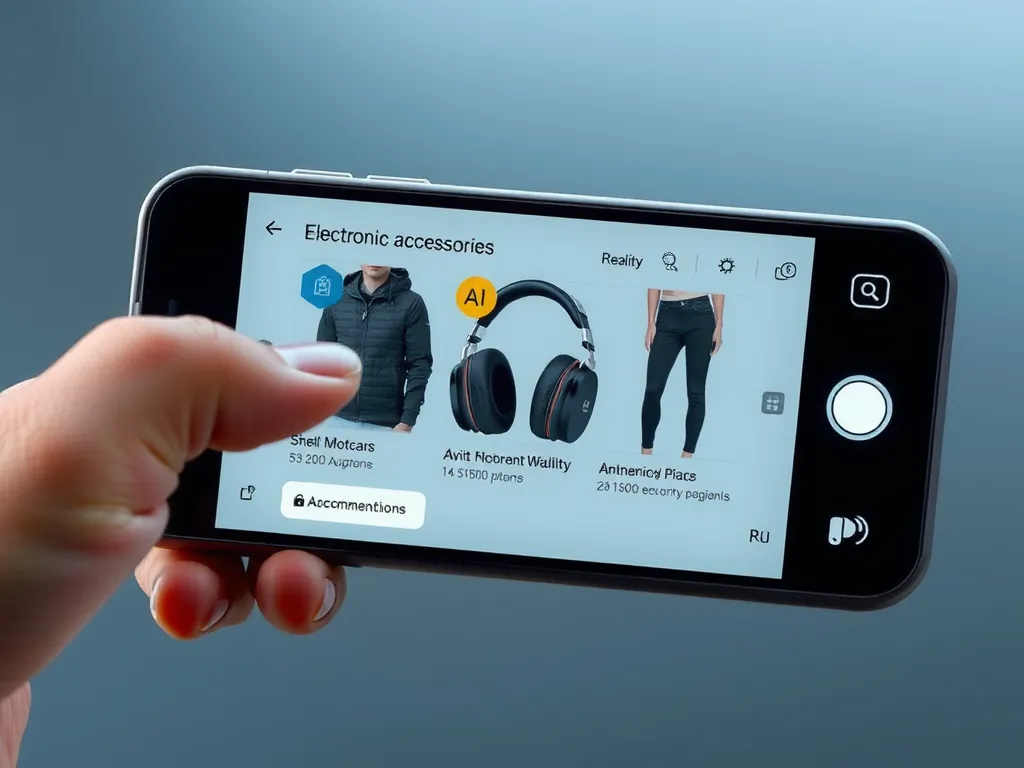

    • Intuitive Design:

      Create clear navigation and quick paths to products. Use prominent search with auto‑suggest, sticky filters for model and connector, and concise breadcrumbs. Ensure tap targets are comfortable, labels are readable in sunlight, and critical actions—Add to Cart, Buy Now—remain visible as users scroll.

    • Secure Payment Systems:

      Use reliable, secure gateways and offer multiple payment options. Support tokenized wallets, two‑factor authentication, and biometric sign‑in, and display security badges and refund policies prominently. Alternatives like pay‑over‑time and store credit can reduce abandonment without sacrificing safety or transparency.

    • Responsive Design:

      Adapt content for all screens and orientations. Serve tuned images, keep forms short with autofill and proper keyboards, and prevent on‑screen keyboards from hiding fields. Test across major browsers and OS versions to catch quirks early.

    • Fast Load Times:

      Speed matters. Compress images and fonts, trim scripts, and lazy‑load nonessentials. Use a CDN, prefetch likely next pages, and cache via progressive web app techniques to keep interactions snappy—even on spotty networks.

    • Personalized Recommendations:

      Use analytics to suggest relevant accessories. Surface complementary items, re‑show recently viewed products, and time reminders for replenishable goods. Offer simple privacy controls and explain how suggestions work to build trust.

    Emerging Mobile Commerce Technologies

    New technologies are reshaping mobile shopping.Smartphone showcasing augmented reality features for visualizing electronic accessories, with AI recommendations being highlighted, futuristic style, detailed imagery. Apps increasingly use augmented reality (AR) so shoppers visualize accessories in context—how a band looks, whether a stand fits, or how a case protects. Clear previews reduce mismatched expectations and returns.

    AI recommendations and chatbots are now standard. Natural‑language and voice search plus automatic compatibility checks match accessories to exact device models. Bots resolve common questions instantly and hand off complex issues without breaking flow.

    These innovations broaden reach and personalize the path to purchase. Social commerce enables buying directly from live streams or stories, compressing discovery to checkout. Opt‑in push notifications tied to interests or device lifecycles can prompt timely upgrades—use them sparingly so they feel helpful, not intrusive.

    Case Study and Insights

    Consider XYZ Electronics, an accessories specialist that increased sales by 40% after going mobile‑first.Mobile app interface of an electronics accessories shop with easy navigation and one-tap purchase features, showing user engagement and interaction, clean and modern. A redesigned site and optimized app added simpler categories, device‑specific filters, and lightweight videos. Bounce rate fell, time on page rose, and answers were easier to find.

    Mobile SEO, AR previews, and app‑only deals lifted conversion. One‑tap checkout and proactive compatibility prompts cut abandonment and reduced returns from incorrect models. Results vary, but the pattern holds: prioritize clarity, speed, and confidence, and use data to guide iteration.

    Conclusion

    The future of electronics accessory purchases is mobile.Combination of mobile device and in-store pickup interactions, depicting integrated shopping experiences, clear connection between mobile and physical shopping, seamless experience. As technology advances and convenience wins, mobile combined with in‑store pickup and flexible fulfillment turns small screens into powerful, everywhere storefronts that meet shoppers in the moment. Done well, mobile removes friction from routine purchases and turns upgrades into thoughtful choices instead of impulse regrets.

    Businesses should keep optimizing and explore emerging tools; consumers who do will enjoy faster, more reliable shopping. The shift is underway. Start with quick wins, listen to feedback, and let data guide steady improvements toward a simple, satisfying experience.