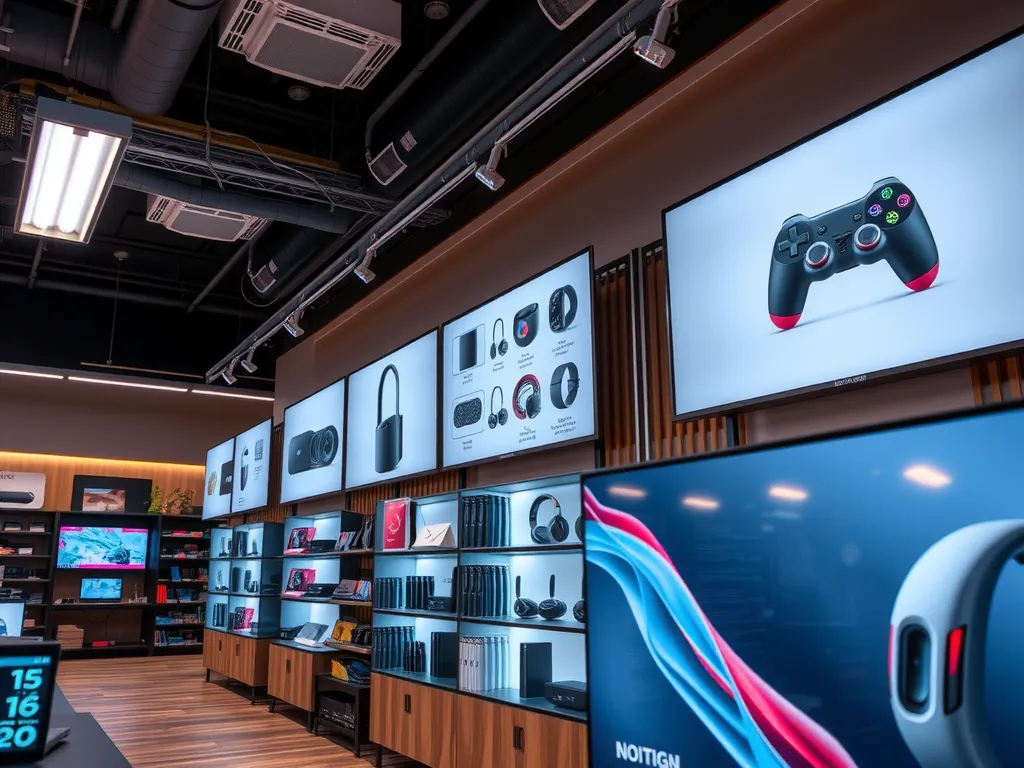
Boosting E-commerce with Tailored Experiences in Electronics Accessories Shopping
Online shopping is evolving rapidly, and personalization is now essential. In electronics accessories, overwhelming choice makes guidance vital. When shoppers face dozens of similar chargers, cables, cases, or adapters, curated clarity reduces decision fatigue, builds confidence, and earns repeat visits. Brands that translate raw selection into helpful direction turn browsing into buying and create loyalty that persists across launches and seasons.
Data-powered personalization gives retailers a distinct edge by delivering experiences that feel individually relevant.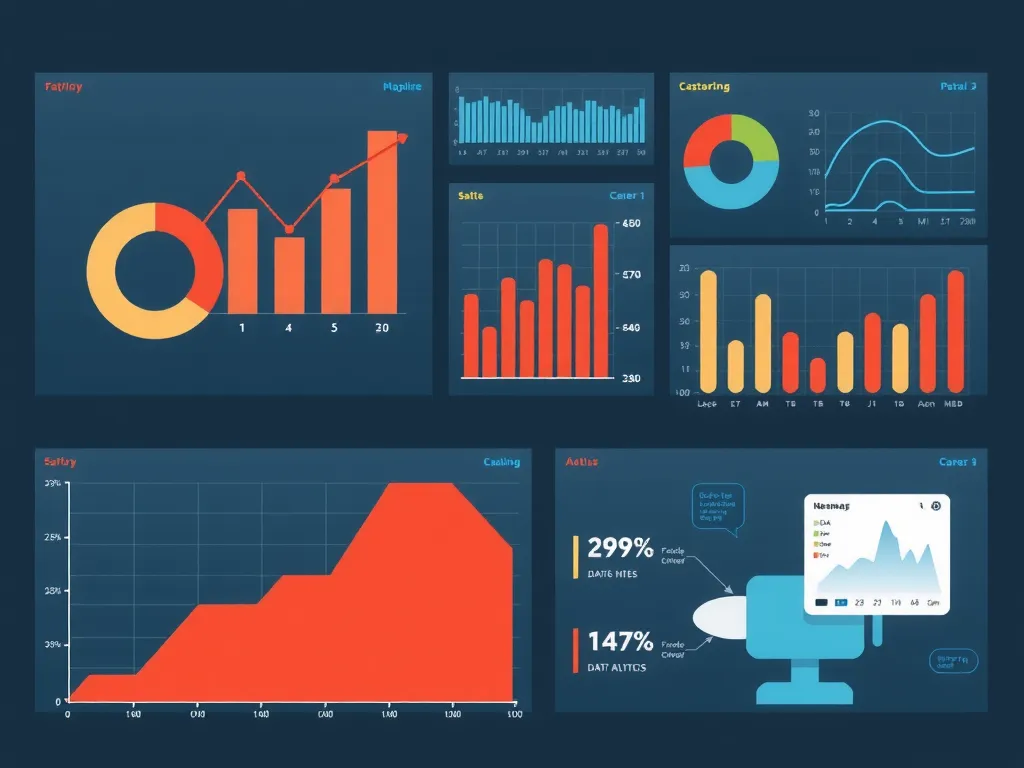 Analytics reveal how customers behave; combining first‑party signals with context like device type, referral source, and location surfaces options that fit the moment. Equally important is privacy: clear consent, transparent explanations, and easy opt‑outs ensure personalization feels like service, not surveillance, strengthening long-term trust.
Understanding Consumer Actions with Data Insights
Start by understanding behavior across touchpoints—website visits, digital marketing interactions, on‑site search, cart events, support chats, and post‑purchase feedback. Each signal reveals intent at a different stage of the journey. Mapping these cues to goals—replacing a lost cable, finding a travel adapter, or upgrading to faster charging—helps teams align content, promotions, and assistance with real needs rather than assumptions.
Tools like Google Analytics reveal popular pages, navigation paths, and products that capture attention. Heatmaps and session replays highlight hesitation points, while campaign tagging clarifies which channels introduce high‑value buyers. The discipline is separating signal from noise: prioritize patterns that repeat across segments and cohorts, and be cautious of one‑off anomalies that can mislead optimization efforts or inflate short‑term wins.
Real-time Insights for Immediate Personalization
Real‑time insights enable instant personalization. A shopper repeatedly browsing power banks can see timely deals or side‑by‑side comparisons; a mobile visitor on a newer smartphone might see MagSafe or USB‑C PD accessories first, while a desktop gift‑seeker is offered bundles and gift‑wrapping. Inventory‑aware logic promotes in‑stock alternatives to prevent disappointment. Quick A/B tests validate which messages, layouts, or incentives create the fastest path to checkout and the lowest return rate.
Categorizing Audiences for Focused Personalization
After analysis, segment audiences by actions and preferences—from newcomers to frequent buyers, basics‑seekers to advanced‑gadget fans. Add lifecycle stage, budget sensitivity, and brand affinity for sharper focus. Simple RFM (recency, frequency, monetary) scoring highlights who merits VIP treatment, who is at risk of lapsing, and who needs a nudge to complete a first purchase or try a higher‑margin accessory.
Use segments to tailor messaging and product suggestions. Tech enthusiasts can receive alerts and deals on the latest smart‑home gadgets or high‑wattage chargers, while casual buyers get guidance on reliable, affordable essentials. Channel‑specific variations make segmentation tangible: SMS for back‑in‑stock notices or order updates, email for how‑to content and comparisons, and on‑site banners that spotlight accessories compatible with items the shopper already owns. Build richer profiles gradually—progressive prompts earn more data without long, interruptive forms.
Implementing Smart Product Suggestions
Personalized recommendations are central to modern e‑commerce. Learning‑based algorithms predict what a shopper might want next, improving discovery while supporting cross‑sell and upsell. Platforms like Shopify and BigCommerce offer plugins that deliver these tailored suggestions with minimal engineering effort. In accessories, relevance hinges on compatibility: surfacing cords, mounts, or cases matched to a shopper’s device reduces returns and builds credibility. Blend “people like you also bought” with “complete your setup” to balance exploration and utility, and use clear labels such as “Because you viewed…” so suggestions feel transparent and helpful.
Improving User Experience through Personalization
The goal of data‑driven personalization is a smoother, more inviting journey. It should enhance—not replace—fundamentals like fast page loads, accessible design, intuitive navigation, and reliable search. With the foundation strong, personalized elements act like signposts that shorten the distance between curiosity and confidence, guiding shoppers to the right choice without friction or confusion.
Practical examples include landing pages that recall preferences, product lists tuned to browsing history, and targeted email campaigns that continue the conversation. Keep the experience consistent across channels: a visitor who explored travel adapters yesterday might see international charging bundles today, supported by concise comparison charts and compatibility checkers. Ensure ads, emails, and on‑site modules echo one another, so the shopper never has to restate needs or restart the journey on each visit.
Utilizing AI and Machine Learning
AI and machine learning unlock deeper personalization by spotting patterns at scale and predicting needs before search begins. Useful techniques include clustering to find natural audience groupings, sequence models to suggest the next best product, and natural language processing to condense reviews into digestible insights. To maintain trust, apply privacy‑by‑design principles, monitor for bias, and provide clear controls that let shoppers adjust the level of personalization and the data used to power it.
Gauging the Success of Personalization Strategies
No strategy is complete without evaluation. Track KPIs such as conversion rate, average order value, and customer lifetime value to gauge impact. Pair quantitative data with qualitative feedback from surveys or intercepts to understand how personalization affects satisfaction and perceived relevance. Diagnostic measures—add‑to‑cart rate, recommendation click‑through, dwell time, and return rate—reveal whether suggestions are genuinely useful. When possible, use controlled experiments to isolate lift from seasonality, discounts, or homepage changes.
Treat personalization as a continuous product, not a one‑time project. Review dashboards weekly, retire weak rules, and refresh training data as devices, standards, and shopper habits evolve. Coordinate with merchandising and inventory so promoted accessories are available in the right colors and connectors. Close the loop with customer support and returns teams to learn when recommendations miss the mark and to fix mismatches quickly before they scale.
Conclusion: The Future of Electronics Accessories Shopping
As technology advances, customer expectations rise. In electronics accessories, personalization differentiates retailers in a crowded market. By leveraging data insights and modern tools, brands can create experiences that resonate, build lasting relationships, and drive sustainable growth. The most compelling journeys extend beyond purchase with proactive setup tips, warranty reminders, and timely suggestions for complementary items that enhance lifespan, safety, and performance.
Applying these strategies elevates each shopping trip and keeps retailers competitive in a fast‑moving digital environment. Start with a clear goal—fewer returns, higher attachment rates, or faster discovery—then pilot a few focused use cases, measure impact, and expand thoughtfully. In a category where compatibility matters and choice is abundant, tailored guidance turns complexity into confidence, ensuring customers find exactly what they need and return with enthusiasm for the next upgrade.
Leave a Reply