
Advantages of Using AI in Managing Electronics Accessories Inventory
In a fast-paced digital world, thriving in the electronics accessories market requires more than just quality items. Retailers are leaning into technology—especially artificial intelligence (AI)—to enhance inventory management. This combination boosts operational efficiency and improves customer satisfaction by ensuring popular accessories are available when shoppers need them. The challenge is intensified by short product life cycles, frequent model refreshes, and compatibility nuances—think phone cases that fit only certain devices or chargers that support specific power standards. Add in omnichannel selling, returns, and seasonal promotions, and manual planning struggles to keep pace. AI bridges that gap by turning raw data into timely, precise actions that help retailers meet demand without tying up cash in excess stock.
Simplifying Inventory with AI
AI-powered systems offer data-driven clarity, from accurate forecasting to real-time stock monitoring. This ensures that in-demand items like headphones, chargers, and smart home gadgets stay available, reducing the risk of lost sales due to stock shortages. By unifying data from point-of-sale systems, e-commerce platforms, and warehouse tools, AI provides a single source of truth for inventory levels and movement. It can flag discrepancies between expected and actual counts, recommend store-to-store transfers, and balance stock across locations. Some solutions even incorporate signals from shelf sensors or RFID to detect gaps early, helping teams correct issues before customers notice.
Improved Demand Forecasting
A significant benefit of AI in managing electronics accessories is predicting trends.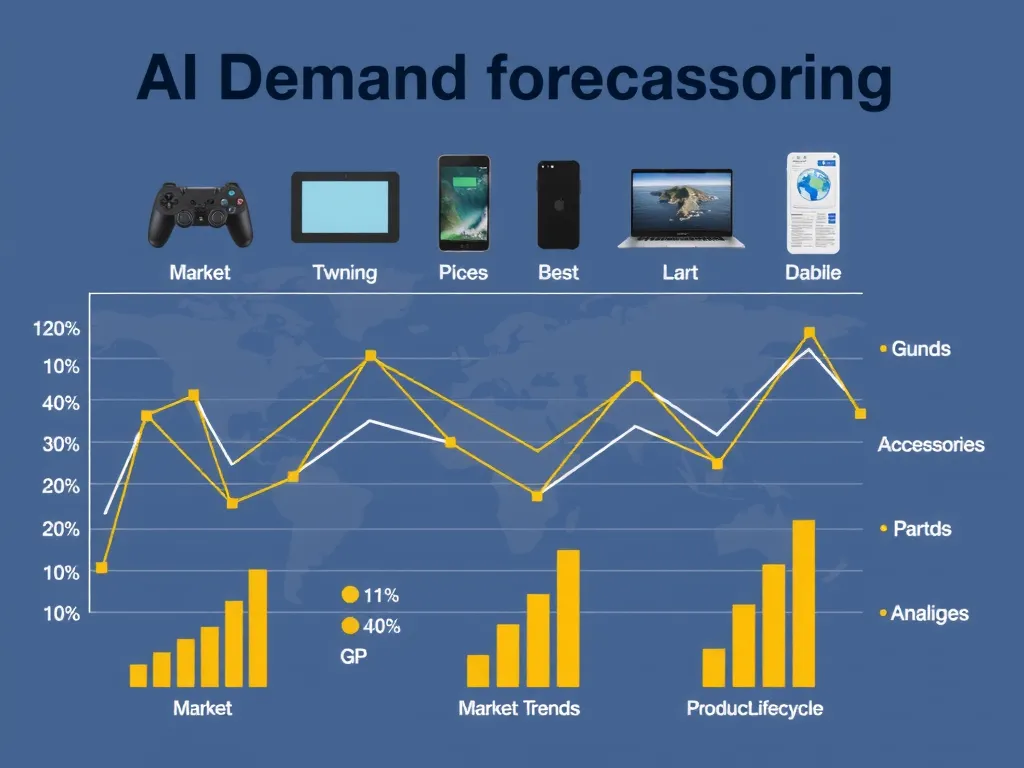 By evaluating past sales and current market trends, AI can predict which products will be sought after. For instance, it can foresee a holiday-season spike in gaming accessories, enabling retailers to prepare their stock accordingly. Advanced models can also detect external drivers—such as a major smartphone launch, a popular influencer review, or a firmware update that changes cable or charger requirements. For new products with limited history, AI borrows patterns from similar items, generating more reliable “first-order” forecasts that get refined as real sales data arrives.
Practical Predictions
AI inventory systems quickly adjust as trends and customer preferences change. If they notice an increase in the popularity of wireless earbuds, they can trigger timely restocks before shortages happen. This proactive method helps maintain sales momentum and keeps customers happy. Beyond reordering, AI can recommend dynamic reallocations—moving stock from slow locations to fast ones, or shifting online inventory to support buy-online-pickup-in-store. It also highlights exceptions, such as sudden demand spikes or late deliveries, so teams act on the few things that matter most. Retailers can set service-level targets and let AI balance risk and availability automatically.
Minimizing Overstock and Waste
AI helps avoid overstocking, which raises storage costs and leaves items unsold. By utilizing detailed analytics to keep an optimal balance, it maintains electronics accessories inventory lean and efficient, supporting healthier profit margins. Lifecycle-aware planning anticipates when an accessory will slow down as a new device generation launches, prompting timely markdowns or bundling strategies. AI can suggest clearance timing and depth to recover margin without eroding brand value. It also reduces waste by highlighting packaging or specification changes that could strand older units, guiding conversions or targeted promotions before items become obsolete.
Enhancing Supplier Management
For electronics accessories retailers, effective supplier management is crucial. AI assesses supplier performance by monitoring delivery times, costs, and quality standards. Good oversight ensures products keep moving, minimizes delays, and maintains customer trust. Intelligent scorecards reveal patterns—such as a vendor whose lead times fluctuate during peak seasons—so buyers can negotiate, diversify sources, or adjust safety stocks. Risk indicators, including port congestion or regional disruptions, can be factored into plans, improving resilience. With clearer expectations and shared forecasts, suppliers gain visibility, and retailers gain reliability.
Intelligent Reordering Systems
With AI, reordering becomes effortless. Automated tools decide the best timing and amounts for restocking electronics accessories using real-time data and predictive insights. This reduces manual mistakes and supports more strategic purchasing choices. The system can honor constraints like minimum order quantities, case pack sizes, or freight thresholds while still aiming for target service levels. It also evaluates multi-location networks—distribution centers and stores—to place orders where they will have the greatest impact. Over time, AI learns which policies work best for each SKU, fine-tuning reorder points and frequencies to match actual demand patterns.
AI for Customized Customer Experience
Beyond backend tasks, AI enhances the customer-facing side of electronics accessories management. Personalized product suggestions and timely inventory updates make interactions more relevant, boosting engagement and creating a more customized shopping experience. When availability is dependable, recommendations can safely feature fast-moving items or complementary bundles—like pairing a power bank with a travel adapter or a console case with screen protectors. Back-in-stock alerts, curbside pickup promises, and accurate delivery dates all rely on strong inventory intelligence. AI-driven compatibility guides also reduce returns by helping shoppers choose accessories that work with their specific devices.
Implementing AI Systems Smoothly
Adding AI to existing inventory setups doesn’t have to be challenging. Many solutions offer flexible integrations, allowing retailers to start small and expand as they see results. Investing in AI for electronics accessories management is a strategic choice that supports long-term benefits and sustainability. Successful implementations focus on clean data, clear goals, and change management: teams need training, dashboards should be intuitive, and KPIs must be defined up front. Retailers often begin with a pilot across a subset of stores or SKUs, measure impact on stockouts and carrying costs, then scale as confidence grows.
Starting with AI
Retailers thinking about AI should begin by identifying where automation and analytics can provide the most value. Collaborating with AI vendors experienced in the electronics field helps tailor solutions to specific business needs and objectives. A practical starting plan includes auditing data sources, selecting a focused use case—such as improving charger availability—setting baselines like fill rate and inventory turns, and running a time-bound proof of concept. Involve merchandising, operations, and IT early to align systems and processes. Document lessons learned and build a roadmap that adds capabilities in manageable phases.
Conclusion
As the electronics accessories market progresses, using AI for inventory management is becoming a key advantage for modern retailers. By leveraging AI for demand forecasting, supplier management, and customer personalization, businesses simplify operations and enhance overall competitiveness. The result is a nimbler supply chain that adapts to product refreshes, promotions, and evolving customer preferences without sacrificing margin. With better visibility and smarter automation, teams can spend less time firefighting and more time curating assortments that delight shoppers. Now is the time to adopt AI and rethink how electronics accessories inventory is managed for future success.
Ready to revolutionize your inventory management with AI? Discover innovative AI solutions tailored for the electronics accessories industry today! Begin with a focused pilot, measure the results, and scale confidently to unlock higher availability, lower costs, and a consistently superior customer experience.

 It turns product pages and social feeds into living references where buyers weigh trade-offs and choose with confidence.
  Quick clips showing a screen protector alignment trick, side-by-side cable lengths, or a bag-dump photo revealing how a compact power bank fits can answer many questions at once. Minor imperfections—uneven lighting or background noise—often increase authenticity when key details remain clear. To encourage strong visuals, suggest simple prompts (“Show your desk charging setup”) and remind contributors to grant repost permission, include descriptive captions for accessibility, and avoid sharing personal data that might appear in frame.
 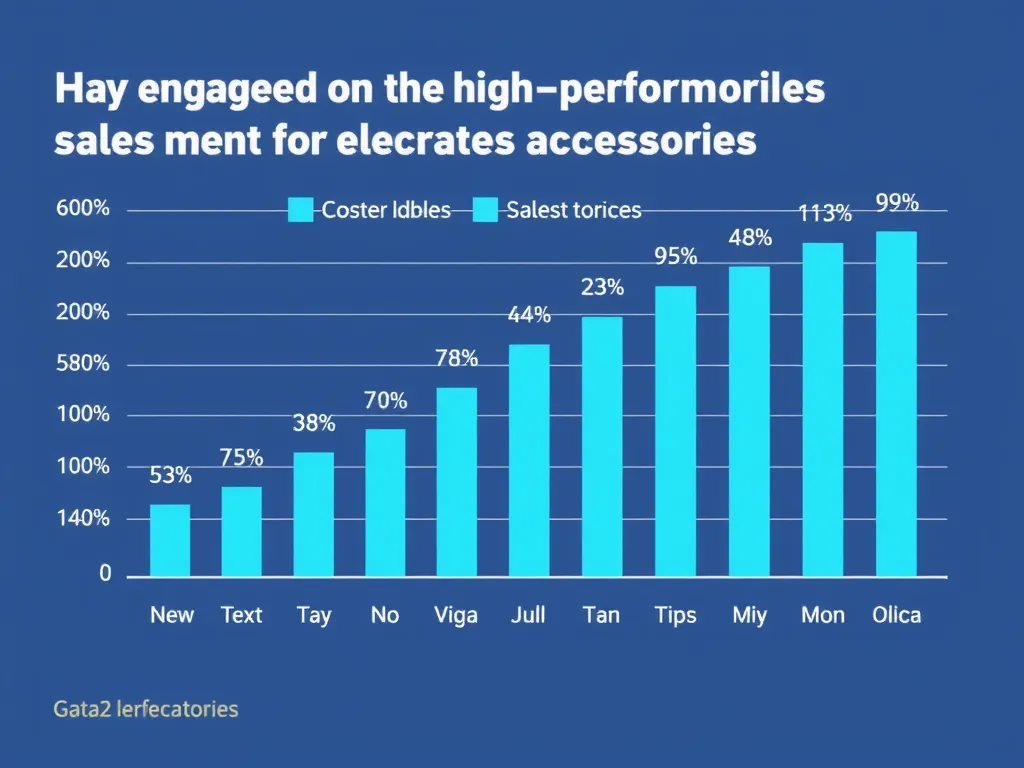 Higher ratings and review volume correlate with improved search rank and conversion, and richer photo/video reviews increase engagement. Teams track a few signals: review count, average rating, sentiment trends, share of visual reviews, and time to first review after launch. Controlled experiments—moving UGC higher on the page or adding themed galleries—often lift click-through and add-to-cart rates. Beyond acquisition, better UGC reduces returns by setting accurate expectations before purchase.
  Photo contests and customer spotlights quickly generate content, but interaction matters just as much: reply to reviews, reshare user photos, and comment on social mentions to deepen connection. Keep incentives transparent, and use themes tied to real-life moments—work-from-home desks, road-trip charging kits, classroom tech organizers. Reuse what you gather: weave standout quotes into product pages, embed short clips near key specs, and test top photos in ads or guides. Measure impact and feed insights to product teams so recurring requests—like longer cables, sturdier clips, or brighter indicator lights—inform the roadmap.










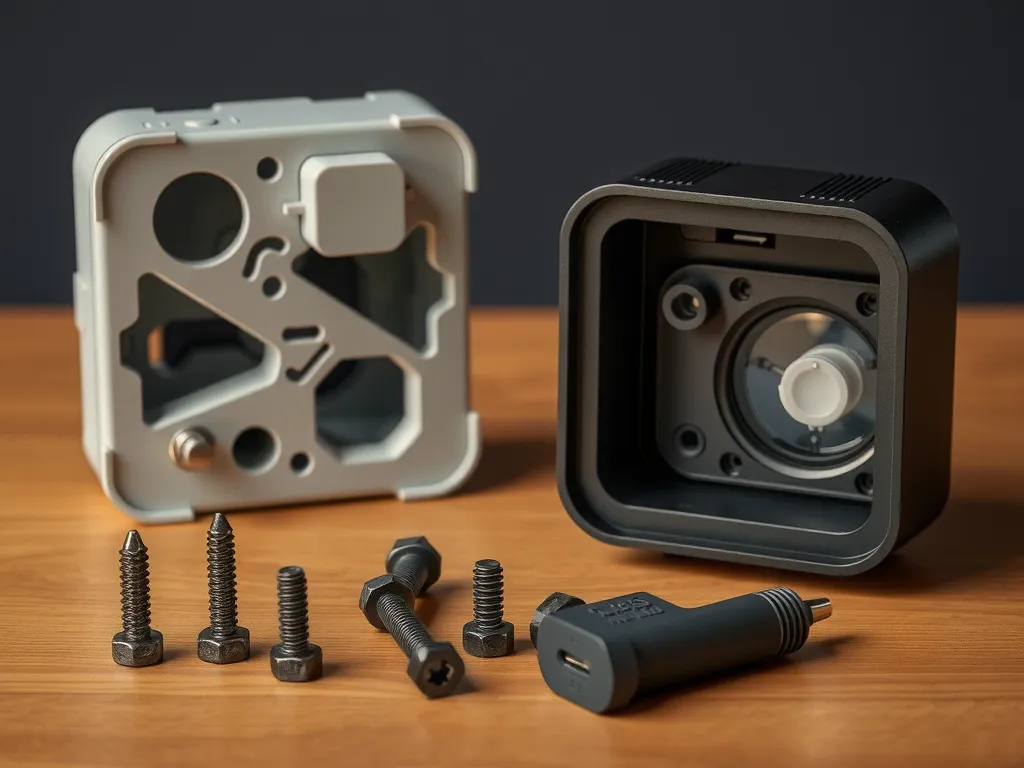 Chargers increasingly use high‑efficiency components that run cooler and waste less power, proving how thoughtful engineering directly reduces environmental impact.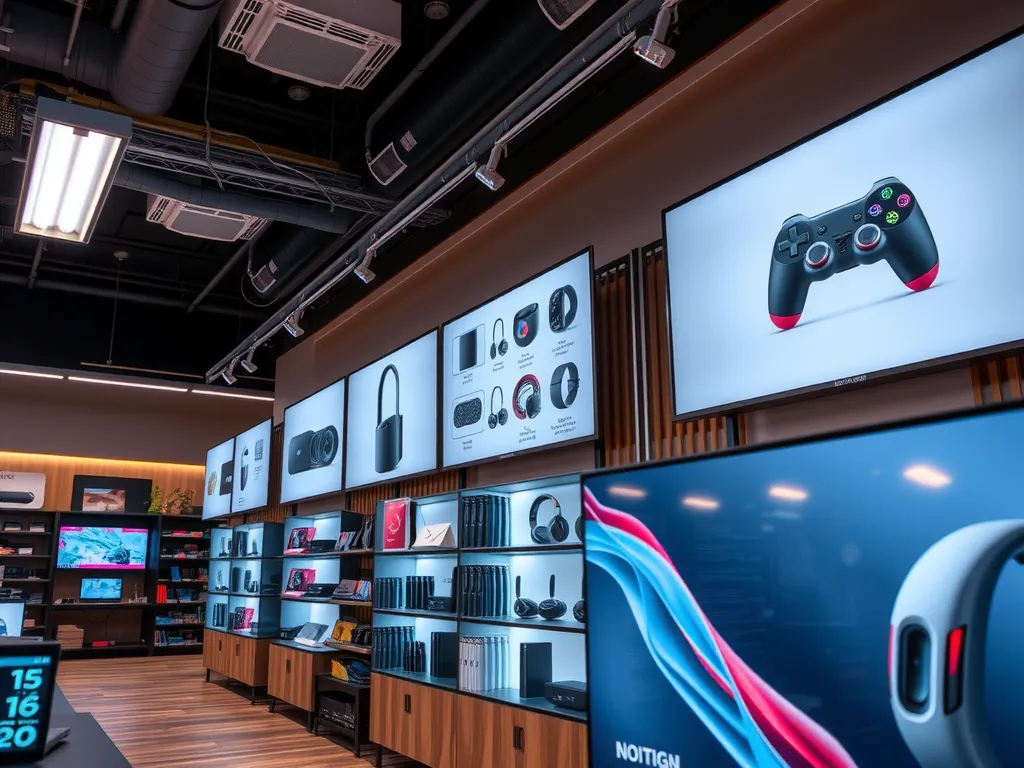
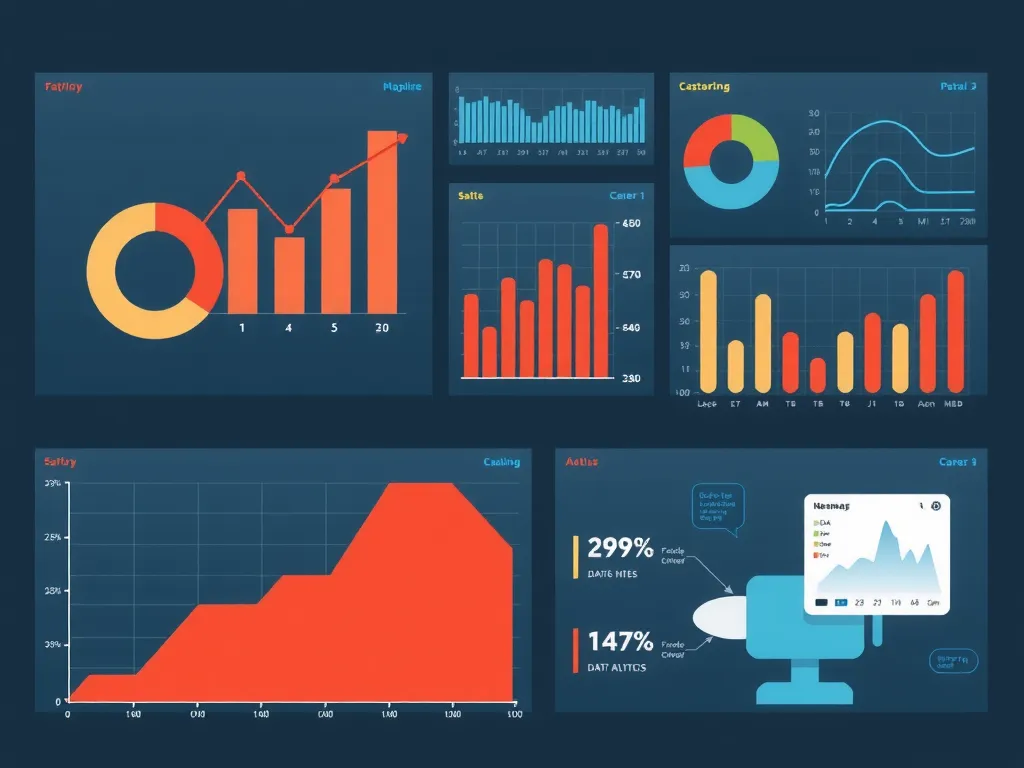 Analytics reveal how customers behave; combining first‑party signals with context like device type, referral source, and location surfaces options that fit the moment. Equally important is privacy: clear consent, transparent explanations, and easy opt‑outs ensure personalization feels like service, not surveillance, strengthening long-term trust.
  Useful techniques include clustering to find natural audience groupings, sequence models to suggest the next best product, and natural language processing to condense reviews into digestible insights. To maintain trust, apply privacy‑by‑design principles, monitor for bias, and provide clear controls that let shoppers adjust the level of personalization and the data used to power it.

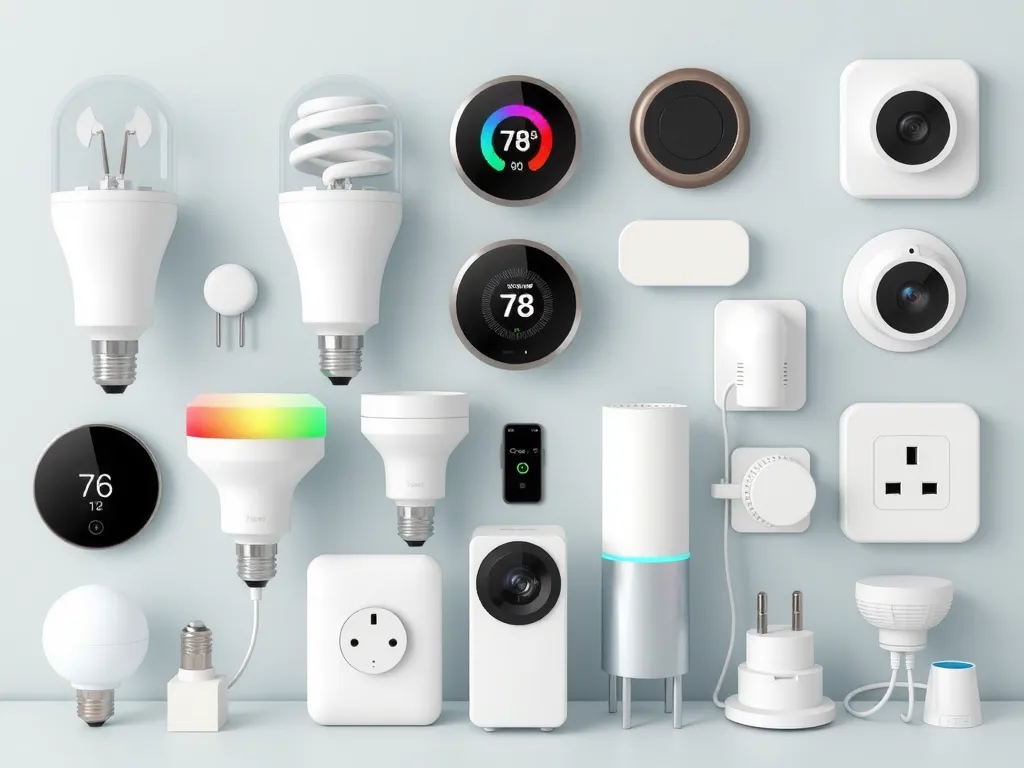










 It now spans nearly every age group—led by younger shoppers, with older audiences following as interfaces become more intuitive and trustworthy. The takeaway is simple: customers expect the full store in their pocket, not a pared‑down version.
  Shoppers compare options, scan reviews, and validate specs on small screens without opening a laptop. Smart filters—by device model, connector type, wattage, or compatibility—reduce confusion and guide buyers to the exact cable, adapter, or case they need.
  Prioritize clarity, cut unnecessary steps, and make compatibility obvious before checkout. Small enhancements—better search synonyms, upfront shipping costs, or clearer return policies—pay outsized dividends on small screens. Make help easy to reach without leaving the page.
 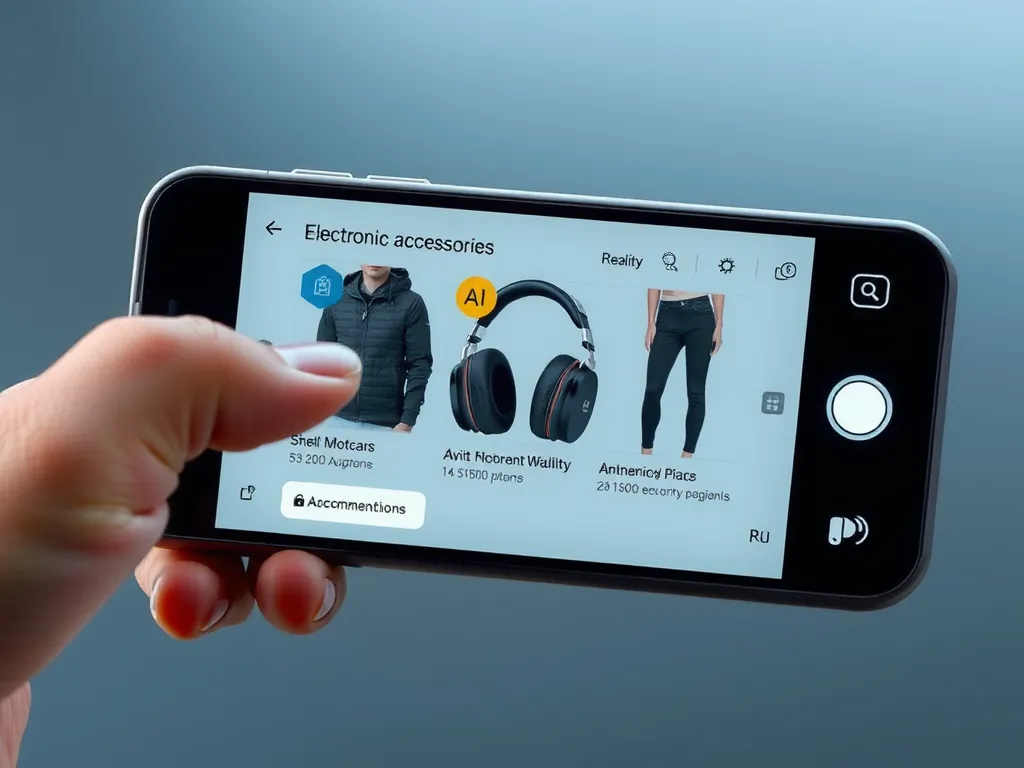 Apps increasingly use augmented reality (AR) so shoppers visualize accessories in context—how a band looks, whether a stand fits, or how a case protects. Clear previews reduce mismatched expectations and returns.
  A redesigned site and optimized app added simpler categories, device‑specific filters, and lightweight videos. Bounce rate fell, time on page rose, and answers were easier to find.
  As technology advances and convenience wins, mobile combined with in‑store pickup and flexible fulfillment turns small screens into powerful, everywhere storefronts that meet shoppers in the moment. Done well, mobile removes friction from routine purchases and turns upgrades into thoughtful choices instead of impulse regrets.